
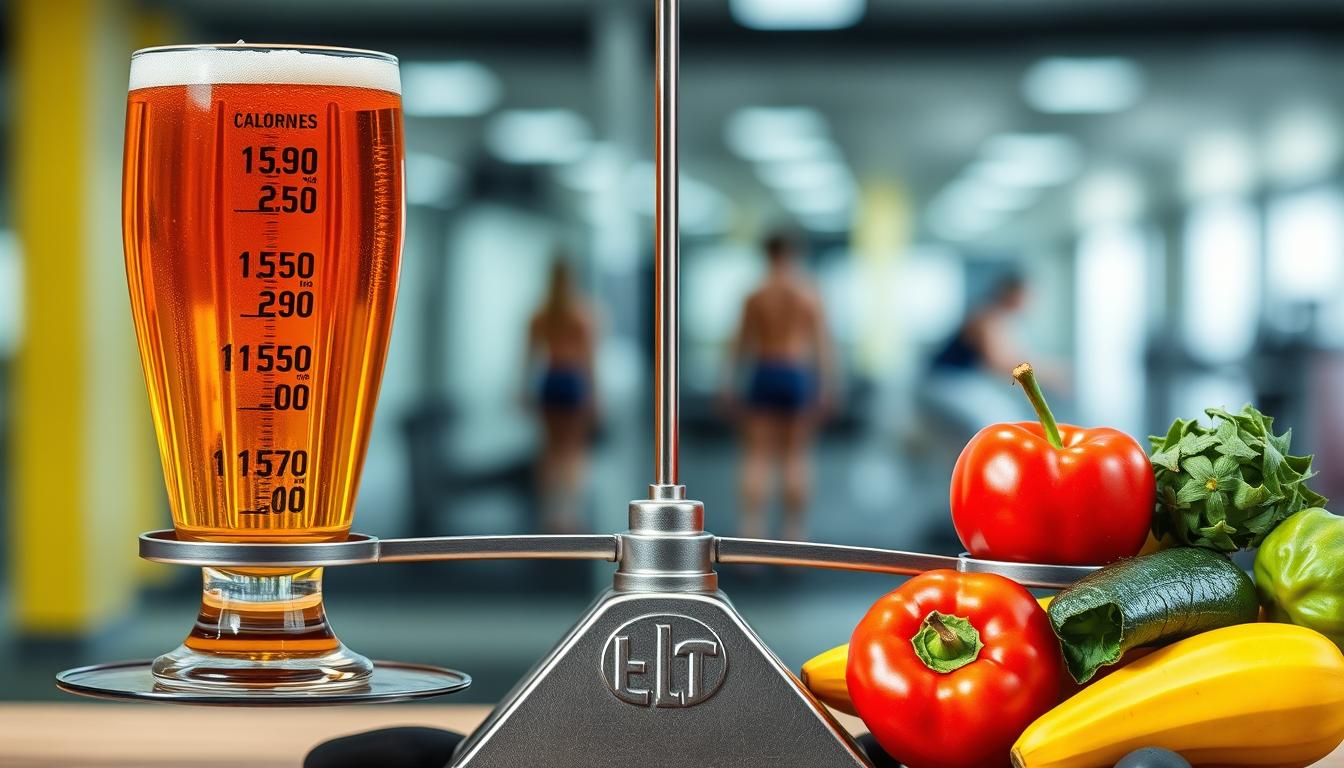
Ever wondered how your drink affects your weight loss? You’re not alone. Many of us love drinking but also want to lose weight. It’s a tough balance to keep.
Your favorite drink might seem okay, but it’s key to know how it impacts weight loss.
Imagine working hard at the gym and eating well but not losing weight. It’s really tough. The Centers for Disease Control and Prevention (CDC) says alcohol has more calories than you think. These calories can slow down your weight loss.
It’s not just about calories. The American Journal of Clinical Nutrition shows alcohol can slow down your metabolism. This means your body burns fat slower. Harvard research also talks about how alcohol can make you choose bad foods, ruining your diet.
Keep reading to learn more about alcohol’s impact on weight loss. You’ll find ways to enjoy social life while losing weight. Losing weight is about feeling good, not just a number.
Quick Recommendation: Our blog is filled with tips and guides to weight loss. If your seeking for a proven, safe and tested product that has fat burning ability, boost metabolism and increased energy level and anti aging. This product is for you Nagano Fat Burning Tonic
Understanding Alcohol and Calories
Many people enjoy drinking without realizing how it affects their calories. Did you know your favorite drinks can have a lot of calories? The USDA says a standard beer has about 150 calories. A glass of wine can have up to 125 calories. Even spirits like vodka or whiskey can add a lot of calories when mixed into drinks.
These calories are called empty calories. They don’t give you much nutritional value. Drinking them can lead to weight gain because they add to your daily calorie count. Studies show too much alcohol can make it hard to lose or manage weight.
Let’s say you have three beers one night. That’s about 450 calories. You’d need to run for about 45 minutes to burn those off. This shows how alcohol can affect your calorie intake and weight goals.
Knowing the alcohol calorie content in your drinks can help you make better choices. With this knowledge, you can enjoy your drinks while keeping your weight and health in check. Being aware of empty calories is key to avoiding weight gain and meeting your dietary goals.
Alcohol’s Effect on Metabolism
When you have a glass of wine or a cocktail, you might not think about how it affects your metabolism. But, alcohol metabolism is key to your metabolic rate. The National Institute on Alcohol Abuse and Alcoholism (NIAAA) says alcohol is a priority for your body to process, mainly in the liver. This slows down fat burning and makes it harder for your body to use other nutrients.
Also, the thermic effect of food, which is the energy needed for digesting and using nutrients, is affected. Research shows that drinking alcohol with a meal can lower this effect. This means fewer calories are burned during digestion, making your metabolism slower.
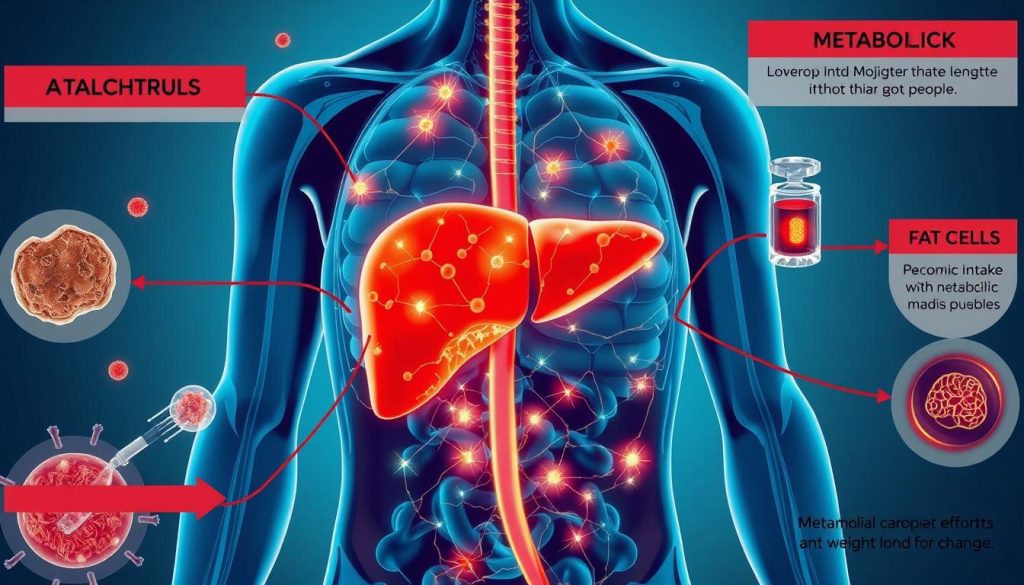
Studies have found that alcohol metabolism messes with your body’s normal ways of working. This means your body focuses on breaking down alcohol instead of burning fat. If you’re trying to lose weight or boost fat burning, drinking too much alcohol can get in the way.
Also, the extra calories from alcohol are often ignored but can add up a lot. With a lower thermic effect of food, the impact on your metabolism is bigger than you might think. It’s important to keep these points in mind when thinking about alcohol’s role in your diet and weight management.
Impact on Nutrient Absorption
Drinking alcohol does more than just add calories. It can also mess with how your body absorbs important nutrients. This can lead to nutrient deficiencies. Knowing how alcohol affects nutrient absorption is key for staying healthy and losing weight.
Quick Recommendation: Our blog is filled with tips and guides to weight loss. If your seeking for a proven, safe and tested product that has fat burning ability, boost metabolism and increased energy level and anti aging. This product is for you Nagano Fat Burning Tonic
Research shows that alcohol can block the body’s uptake of vitamins A, C, D, and E. It also hampers the absorption of minerals like calcium and magnesium. This can cause nutrient deficiencies, affecting your metabolism and immune system.
Chronic drinking can harm your stomach and intestines, making digestion worse. Even moderate drinking can have lasting effects on your digestive health. Dietitians stress the need for moderation to protect your health and aid in weight loss.
Understanding the connection between alcohol and nutrient absorption is crucial for a balanced diet. By knowing how alcohol impacts nutrient absorption, you can make better choices about what you drink. This helps in maintaining your overall health.
Alcohol-Induced Cravings
Ever noticed how alcohol and food cravings often go together? There’s a science behind it. Alcohol messes with your body’s hunger hormones. It lowers leptin, the hormone that tells you when you’re full.
After a few drinks, you might start craving high-calorie foods. This is because alcohol makes it harder to control your choices. You end up eating more, which can hurt your diet and weight loss goals.
Many studies have shown that drinking leads to eating more calories. It’s not just about what you eat, but how much. This mix of alcohol and food cravings makes it tough to keep a balanced diet, especially if you’re trying to lose weight.
Alcohol and Exercise Performance
Alcohol can hurt your diet, but it also affects your fitness. It can slow down your recovery and stop muscle growth.
Drinking alcohol makes you less coordinated, strong, and enduring. This makes your workouts worse and increases injury risk. High-intensity exercises need top physical performance, which alcohol reduces.
Alcohol also lowers your body’s water level. Being dehydrated makes recovery longer, making future workouts less effective. Sports medicine shows alcohol slows down muscle repair by blocking protein synthesis.
Alcohol also messes with your body’s internal systems. It affects hormones that help repair and grow muscles. This slows down muscle gain.
Think twice before drinking after working out. Alcohol can slow down recovery and stop muscle growth. Staying moderate is crucial for reaching your fitness and weight loss goals.
Strategies to Balance Alcohol with Weight Loss
Finding the right balance between drinking and losing weight can be tough. But, it’s doable with a few smart tips. First, it’s important to drink in moderation. The Dietary Guidelines for Americans say it’s key to limit alcohol. Women should aim for one drink a day, and men for two.
Choosing low-calorie drinks is also a big help. Instead of high-calorie cocktails or sweet mixers, go for vodka soda, light beer, or a glass of wine. These options have fewer calories and keep you on track with your weight goals.
Quick Recommendation: Our blog is filled with tips and guides to weight loss. If your seeking for a proven, safe and tested product that has fat burning ability, boost metabolism and increased energy level and anti aging. This product is for you Nagano Fat Burning Tonic
It’s also important to know how to fit alcohol into a healthy diet. Nutritional advice often stresses not to skip meals for drinks. Eating well and exercising regularly can help balance out the calories from alcohol.
By picking low-calorie drinks and drinking in moderation, you can enjoy alcohol while still working on your weight.
The Role of Psychology in Alcohol Consumption and Weight Loss
Understanding why we drink is key to balancing drinking with weight loss. Stress often leads to drinking more. Studies show a strong link between alcohol and stress. When stressed, we might seek alcohol’s temporary relief, leading to overdrinking.
Mindfulness helps manage drinking. It makes us aware of our triggers and emotions. Professional advice stresses staying present and recognizing feelings without judgment. This can greatly reduce the urge to drink emotionally, helping with weight loss.
Mindfulness in daily life can help see the alcohol-stress link. Deep breathing, meditation, and mindful eating are effective. These practices help control our actions and decisions, leading to healthier habits and successful weight loss.
Real-Life Examples of Alcohol Affecting Weight Loss
Many people have shared how cutting down on alcohol helped them lose weight. A Weight Watchers member, for example, cut back on wine and lost a lot of weight. She also felt more energetic. Her story shows how important it is to drink less to lose weight.
Dr. Susan Albers, a well-known psychologist, helps people change their lifestyles. She teaches them to think differently about drinking. One of her patients lost over 50 pounds by drinking less and being more mindful.
Seth Oberst, a fitness blogger, also talks about drinking less. He says it helped him work out better and lose weight. He felt better physically and mentally, showing the benefits of drinking less.
These stories and advice from experts show how changing your lifestyle can improve your health. You can learn from them and find ways to lose weight while living a balanced life.
Conclusion
Understanding how alcohol affects weight loss is key. It has calories and can slow down your metabolism. Each detail adds complexity to your health journey.
Being aware of how alcohol affects nutrient absorption and cravings is important. It helps you make better diet choices.
It’s not hard to balance alcohol with weight loss goals. Knowing how it impacts muscle recovery and exercise helps. Practical strategies and understanding the psychological aspects offer insights.
By making informed choices, you can enjoy alcohol while keeping a healthy diet. Expert advice and real-life examples show it’s possible. A mindful approach to alcohol supports your journey to a healthier life.
Quick Recommendation: Our blog is filled with tips and guides to weight loss. If your seeking for a proven, safe and tested product that has fat burning ability, boost metabolism and increased energy level and anti aging. This product is for you Nagano Fat Burning Tonic