

Ever grabbed a pint of ice cream after a tough day and thought, “Why?” Emotional eating is when you eat for comfort, stress relief, or as a treat, not just because you’re hungry. In today’s fast world, many turn to food for comfort. But how do you stop this cycle? It’s key to know why you eat emotionally and find better ways to cope.
We’ll look at ways to be more aware of your eating habits. You’ll learn strategies to manage stress and develop lasting healthy eating habits.
The American Psychological Association says emotional eating is often a stress response. This can harm your health over time. A study in the Journal of Eating Disorders also shows its negative effects. To beat emotional eating, you must understand its causes and seek advice from experts.
Quick Recommendation: Our blog is filled with tips and guides to weight loss. If your seeking for a proven, safe and tested product that has fat burning ability, boost metabolism and increased energy level and anti aging. This product is for you Nagano Fat Burning Tonic
What is Emotional Eating?
Emotional eating is when we eat to feel better, not because we’re hungry. It’s important to know the difference between feeling hungry for food and feeling hungry for comfort. Emotional hunger is sudden and urgent, while physical hunger grows over time.
Many things can make us eat emotionally, like stress, sadness, boredom, or anger. We often turn to comfort foods, which are usually high in sugar and fat. These foods give us a quick feeling of happiness, making us want them more when we’re stressed.
The Mayo Clinic says emotional eating might feel good at first but can cause problems later. It can lead to weight gain, poor health, and feelings of guilt. Knowing what triggers emotional eating and understanding the difference between hunger types is key to solving food cravings.
Research in nutritional psychology shows emotional hunger isn’t about needing food. It’s a way our mind deals with emotions. When we eat emotionally, we often choose comfort foods. These foods might make us feel better for a moment but don’t solve our emotional problems.
Studies show we often eat foods high in sugar and fat when we’re eating emotionally. This not only harms our health but also makes us rely on food emotionally. Recognizing and dealing with emotional eating is important for our long-term health and happiness.
Signs You Might Be an Emotional Eater
Ever found yourself eating when you weren’t hungry? This could mean you’re an emotional eater. Spotting emotional eating can be hard, but knowing your habits is key to change.
People who emotionally eat do it because of feelings, not hunger. If you eat when stressed, sad, or bored, you might be an emotional eater.
Mindless eating is another warning sign. You might eat while watching TV or working without realizing how much you’re eating. This can lead to eating too much and feeling bad about it later.

Feeling guilty or ashamed after eating snacks is also a sign. These feelings come from eating due to emotions, not hunger. It creates a cycle of negative feelings.
Try food and mood journaling to understand your eating better. It involves writing down what you eat and how you feel. This can help you spot emotional eating triggers and develop better eating habits.
The Psychological Reasons Behind Emotional Eating
Understanding why you might eat when you’re upset can help you tackle the problem. When you’re stressed, anxious, or depressed, food can seem like a comfort. This is because your brain reacts to food in ways that feel good, like a temporary relief.
Stress is a big reason people turn to food. Studies link high stress to eating unhealthy foods. Depression and anxiety make it worse, as people seek foods that make them feel better.
For some, certain foods remind them of happy times or social gatherings. This makes food a go-to for dealing with tough emotions. But, this habit doesn’t solve the real problems, leading to a cycle of emotional eating.
Breaking this cycle is key. It means recognizing why you eat when you’re upset and understanding its roots. This is the first step to changing your behavior.
Quick Recommendation: Our blog is filled with tips and guides to weight loss. If your seeking for a proven, safe and tested product that has fat burning ability, boost metabolism and increased energy level and anti aging. This product is for you Nagano Fat Burning Tonic
How Emotional Eating Affects Your Health
Emotional eating often leads to poor dietary choices. These choices usually include high-calorie, sugary, or fatty foods. This can cause unwanted weight gain, sometimes leading to obesity.
Epidemiological data shows a rise in obesity rates. This is often linked to emotional eating patterns.
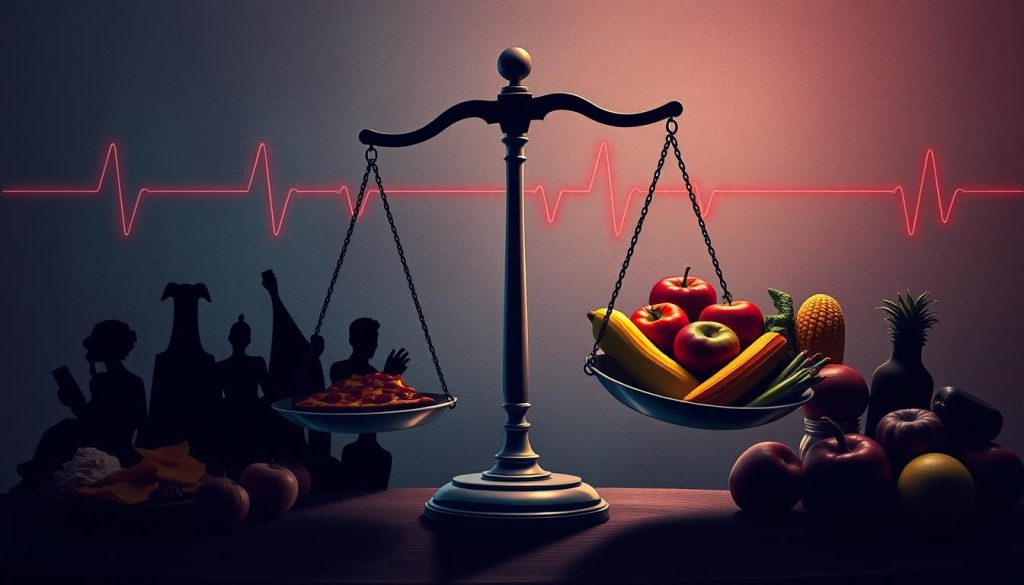
The health effects don’t stop at weight gain. Eating unhealthy foods can raise your risk of chronic health conditions. These include diabetes and heart disease.
Clinical research shows diets high in sugar and fat harm your physical health.
Emotional eating also affects your mental health. It can make you feel helpless and worsen depression and anxiety. Studies show a strong link between diet and emotional well-being.
It’s important to understand the health consequences of emotional eating. Addressing these issues can lead to healthier eating habits. This can improve both your physical and mental health over time.
Steps to Identify Your Emotional Eating Patterns
Understanding emotional eating starts with knowing yourself. Recognize if your eating habits are driven by emotions or hunger. This first step is key to making healthy changes.
Start by keeping a food and mood journal. This journal tracks what you eat and how you feel before and after meals. It helps spot patterns, like when stress or emotions make you eat.
Practicing mindful eating is also important. Take a moment before eating to check if you’re hungry or stressed. Experts say this pause can help break the cycle of emotional eating.
Getting professional help is another step. Therapy can help find the reasons behind your emotional eating. Cognitive-behavioral therapy, in particular, is effective in changing these habits.
By becoming more aware of yourself, journaling, and eating mindfully, you can start to change. Don’t be afraid to seek help on this journey.
Strategies to Overcome Emotional Eating
Beating emotional eating begins with finding ways to handle cravings. Try using physical activity or creative hobbies like writing or painting. Regular exercise helps manage stress and lessens the urge to eat emotionally.
Mindfulness and meditation are great for building strength against emotional triggers. They help you stay in control of your eating. Changing negative thoughts through cognitive restructuring also improves emotional balance.

Creating a supportive environment for healthy eating is key. Keep tempting foods away and choose healthier snacks instead. A nutritionist can help find nutritious foods that meet your cravings without upsetting your diet.
Studies show that using different coping strategies works well for emotional eaters. Mental health experts also stress the importance of managing stress. By adding these strategies to your life, you can handle stress better, grow stronger, and find healthier ways to deal with cravings.
Quick Recommendation: Our blog is filled with tips and guides to weight loss. If your seeking for a proven, safe and tested product that has fat burning ability, boost metabolism and increased energy level and anti aging. This product is for you Nagano Fat Burning Tonic
Developing a Healthy Relationship with Food
Building a healthy relationship with food means eating a balanced diet and practicing intuitive eating. A balanced diet gives your body the nutrients it needs for health. Intuitive eating helps you listen to your body’s hunger and fullness signals, not just emotions.
Being kind to yourself is important in this journey. Recognize that changing habits takes time and that mistakes are part of the way. Self-compassion reduces negative self-talk and helps you stick to healthy habits.
Learning about nutrition is also key. Knowing what your body needs helps you choose the right foods. Educational programs in the U.S. are helping people understand nutrition better, making healthy eating easier.
It’s about listening to your body and making choices that feel right. By combining a balanced diet, intuitive eating, self-compassion, and nutrition knowledge, you can build a lasting, healthy relationship with food.
Preventing Emotional Eating in the Future
To stop emotional eating, start with long-term plans. Plan balanced meals and eat at regular times. This keeps your blood sugar steady and lessens the need to eat when you’re upset.
Changing your lifestyle is also key. Be active and try relaxation methods like meditation or yoga. These help manage stress without eating.

Quick Recommendation: Our blog is filled with tips and guides to weight loss. If your seeking for a proven, safe and tested product that has fat burning ability, boost metabolism and increased energy level and anti aging. This product is for you Nagano Fat Burning Tonic
It’s important to avoid triggers too. Find out what makes you want to eat and find better ways to handle it. For example, if stress makes you eat, try deep breathing or journaling.
Don’t go on strict diets. They can make you feel deprived, leading to emotional eating. Instead, focus on healthy habits.
Keeping healthy habits means you need support and care for yourself. Surround yourself with people who support you. Make time for things that make you happy and keep you healthy, like sleep and hobbies.
Learning from others who have succeeded can inspire you. Their stories show how community support and staying strong can lead to lasting change. By using long-term strategies, making lifestyle changes, and avoiding triggers, you can cut down on emotional eating and improve your health.
Understanding Emotional Eating and How to Overcome It
Emotional eating can be tough to understand and break. But remember, you’re not alone. Breaking through emotional barriers is key to changing these habits. By learning healthy ways to cope, you can manage your feelings better and eat less out of comfort.
Emotional wellness is crucial in this journey. Taking care of your emotional health improves your life and helps you eat better. By using the tips from this article, you’ll feel more in control of your eating.
Experts say it’s important to know what triggers your emotional eating. They also suggest finding coping methods that fit your values and life. Health experts see emotional wellness and eating as connected, urging a holistic approach to your journey.
Success stories show that changing your food relationship and emotional wellness is possible. Keep exploring these strategies. Every step towards emotional wellness helps you beat emotional eating.
Real-Life Stories of Overcoming Emotional Eating
Real-life success stories are powerful and inspiring for those fighting emotional eating. You can find motivation and hope in people who have changed their food relationship. Their stories show different ways to beat emotional eating.
Sarah’s story, on Healthline, dives into her journey with therapy and mindful eating. She talks about finding emotional triggers and managing stress without food. With a therapist’s help and tools like journaling, Sarah shows change is possible.

Jessica’s story, on MindBodyGreen, shows her path to emotional eating recovery with a nutritional coach. She talks about the importance of a supportive community and finding new ways to cope. Jessica’s story shows how these changes improved her health and self-esteem.
Alex’s story, in the American Psychological Association, shows the power of cognitive behavioral therapy (CBT). Alex’s journey proves that structured treatments can lead to lasting wellness by tackling emotional eating’s root causes.
These stories show that everyone’s journey is different. Yet, they all offer hope and encouragement. They prove that with the right support, a healthier life is possible.
Quick Recommendation: Our blog is filled with tips and guides to weight loss. If your seeking for a proven, safe and tested product that has fat burning ability, boost metabolism and increased energy level and anti aging. This product is for you Nagano Fat Burning Tonic
Resources and Support Groups for Emotional Eaters
Finding the right resources and support groups is key for those seeking help with emotional eating. There are many therapy options, like individual and group therapy, and family counseling. These can help tackle the root causes of emotional eating. You can also look into counseling services and online platforms that offer a holistic approach to recovery.
Community support groups, like Overeaters Anonymous, offer a safe place to share and get support. These groups have meetings, workshops, and forums. They help you connect with others who get what you’re going through.
Nutrition counseling is also a great resource. Professional nutritionists can give you personalized advice on healthier eating. They can help you manage emotional eating triggers. You can find experts through directories and reviews.
Mental health organizations often recommend therapy and support services for emotional eaters. Many people have found support groups and counseling to be very helpful. They show how important it is to get professional help.
Conclusion
Starting to overcome emotional eating is a chance for real change and empowerment. By figuring out why you eat emotionally and spotting your patterns, you’re on the right path. This leads to better health and a healthier food relationship.
Health experts suggest mindful eating and dealing with emotional triggers as key steps. They help you make choices that support a healthier life. Mental health experts also stress the importance of self-care. It helps you understand and manage your feelings, reducing the urge to eat when stressed.
Stories of people who’ve beaten emotional eating are truly inspiring. They show that with time and effort, you can achieve lasting health gains. Having friends, family, or support groups can give you the push you need to keep going.
Your fight against emotional eating shows your strength and determination. Keep an open mind and keep learning. Every step you take brings you closer to better health and self-awareness. Celebrate each victory on your journey.
Quick Recommendation: Our blog is filled with tips and guides to weight loss. If your seeking for a proven, safe and tested product that has fat burning ability, boost metabolism and increased energy level and anti aging. This product is for you Nagano Fat Burning Tonic