
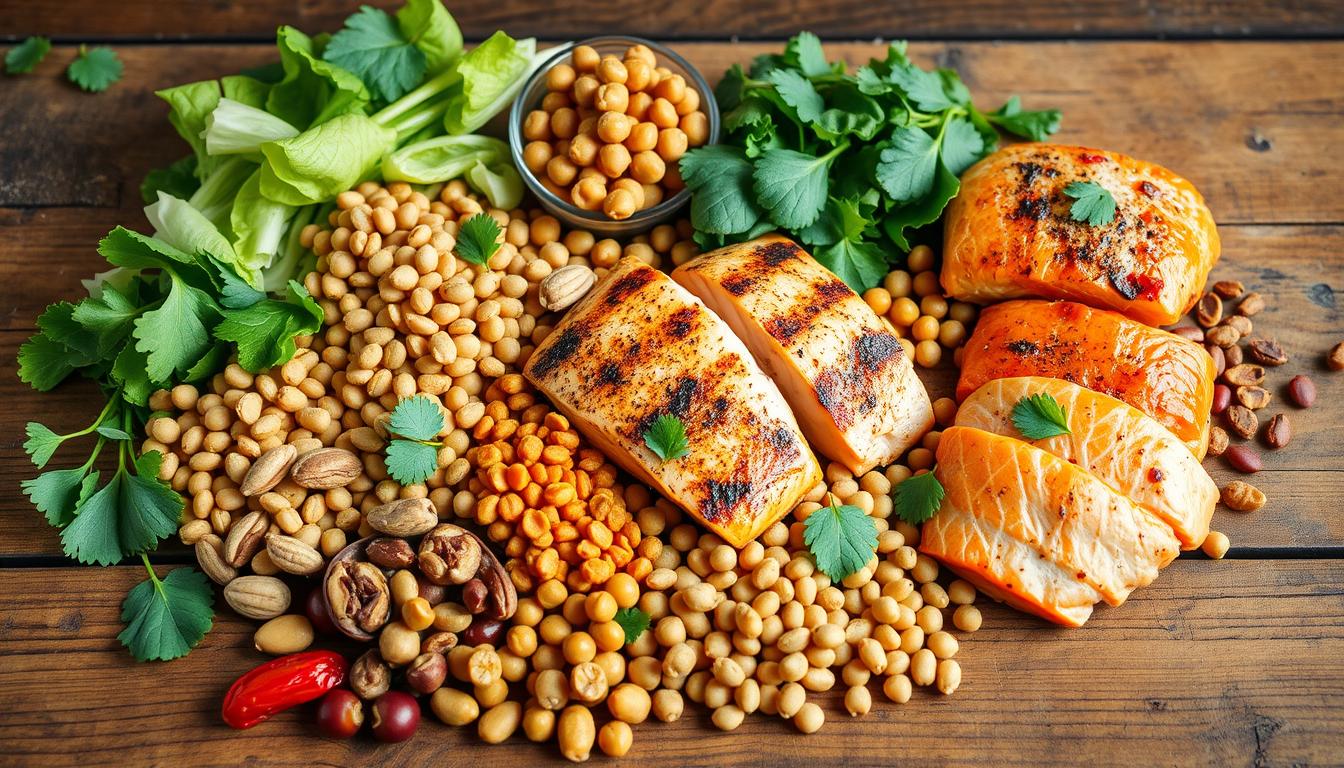
Ever wondered why protein is key for weight loss? It’s not just a trend. Protein helps you feel full longer and keeps your muscles strong. It also boosts your metabolism.
This article will explore the top protein sources for weight loss. We’ll also share healthy eating tips to add them to your diet. Whether you want to lose weight or keep it off, knowing about protein is crucial.
Quick Recommendation: Our blog is filled with tips and guides to weight loss. If your seeking for a proven, safe and tested product that has fat burning ability, boost metabolism and increased energy level and anti aging. This product is for you Nagano Fat Burning Tonic
Importance of Protein in Weight Loss
Adding dietary protein to your weight loss plan is key. High-protein diets help you feel full longer, which can lower your calorie intake. This nutrient also helps keep your muscles lean, which is important for a toned body and a fast metabolism.
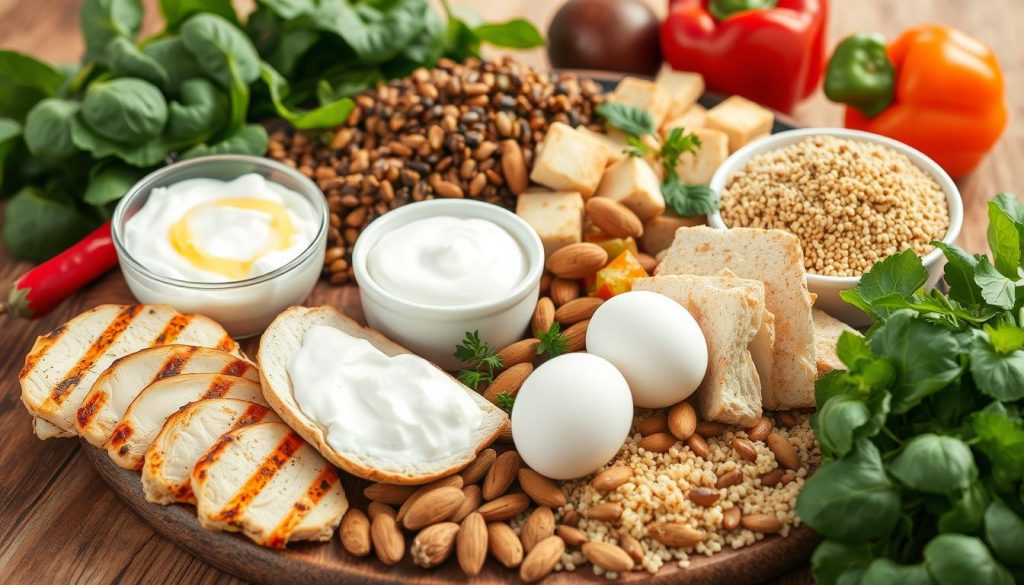
Eating enough protein makes your body work harder to digest it. This can help speed up your metabolism. Including protein-rich foods also stops muscle loss that often happens when you lose weight. Keeping your muscles lean helps keep your metabolism high, which is good for managing your weight over time.
Protein also boosts your workout performance and recovery. Whether you’re lifting weights or doing cardio, enough protein helps repair and grow your muscles. Using protein in this way can make losing weight more effective and lasting.
Best Sources of Protein for Weight Loss
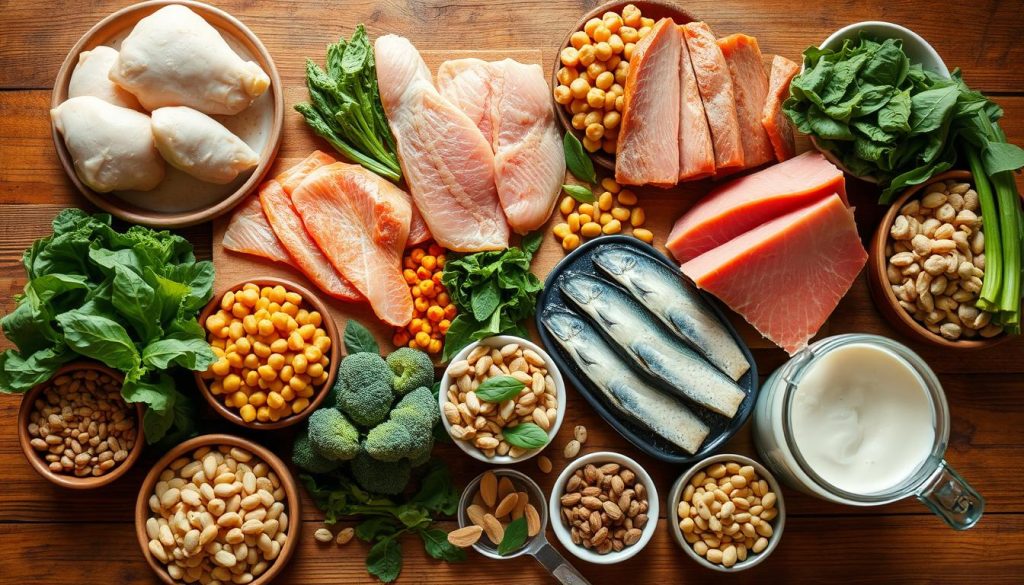
Choosing the right protein sources is key for weight loss. Lean protein foods help keep muscle mass while losing weight. Chicken breast is a top choice, with about 31 grams of protein per 3.5 ounces.
Fish like salmon and tuna are also great. They offer high-quality protein and heart-healthy omega-3 fatty acids. Salmon gives you about 22 grams of protein per 3-ounce serving.
Dairy products like Greek yogurt and cottage cheese are high in protein and low in fat. A single-serving cup of Greek yogurt has up to 15 grams of protein. Half a cup of cottage cheese has about 14 grams. They’re great for snacking or adding to meals.
Quick Recommendation: Our blog is filled with tips and guides to weight loss. If your seeking for a proven, safe and tested product that has fat burning ability, boost metabolism and increased energy level and anti aging. This product is for you Nagano Fat Burning Tonic
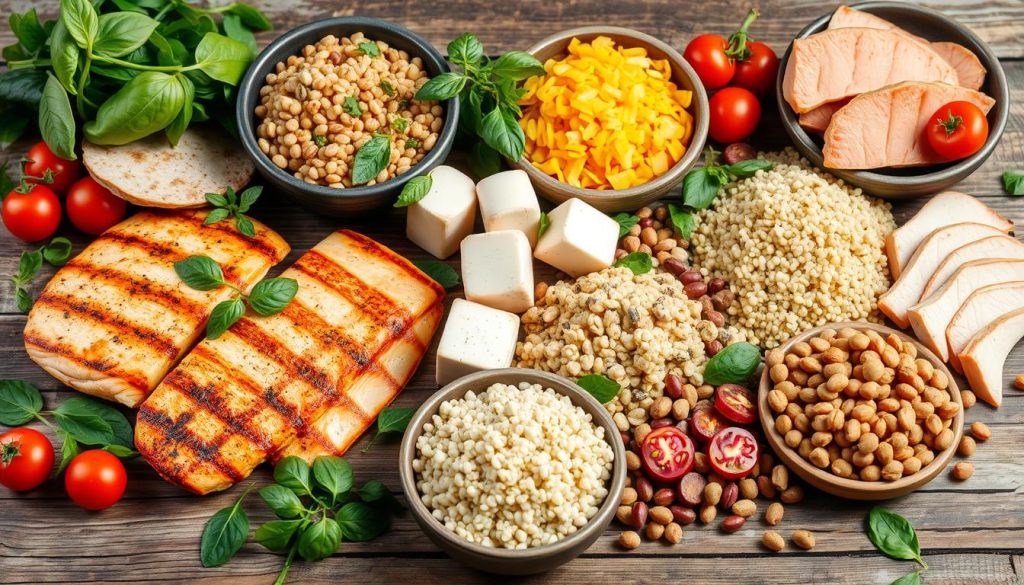
Don’t forget about plant-based protein options. Lentils, chickpeas, and quinoa are rich in protein and fiber, perfect for weight loss. A cup of cooked lentils has about 18 grams of protein. Chickpeas offer around 15 grams per cooked cup.
Eggs are a complete protein, providing about 6 grams of high-quality protein per egg. Quinoa, a plant-based complete protein, gives around 8 grams of protein per cooked cup.
Adding lean protein foods and plant-based protein sources to your diet is smart. They ensure you get complete proteins for muscle maintenance and overall health, helping with weight loss.
How Much Protein Do You Need for Weight Loss?
Finding out how much protein you need for weight loss isn’t simple. It depends on your weight, how active you are, and your health goals. These factors all play a role.
Nutritional guidelines say you should aim for 1.6 to 2.2 grams of protein per kilogram of body weight for weight loss. If you’re very active or do intense workouts, you might need more.
It’s also key to think about the protein percentage of daily calories. Experts say protein should be 25% to 30% of your daily calories for weight loss. This helps your body build and keep muscle while losing fat.
Your protein needs can change as your weight and activity level do. Adjusting your protein intake to match your diet goals is important. To get the right amount for you, talk to a dietitian or nutritionist. They can give you a plan that fits your needs for the best results.
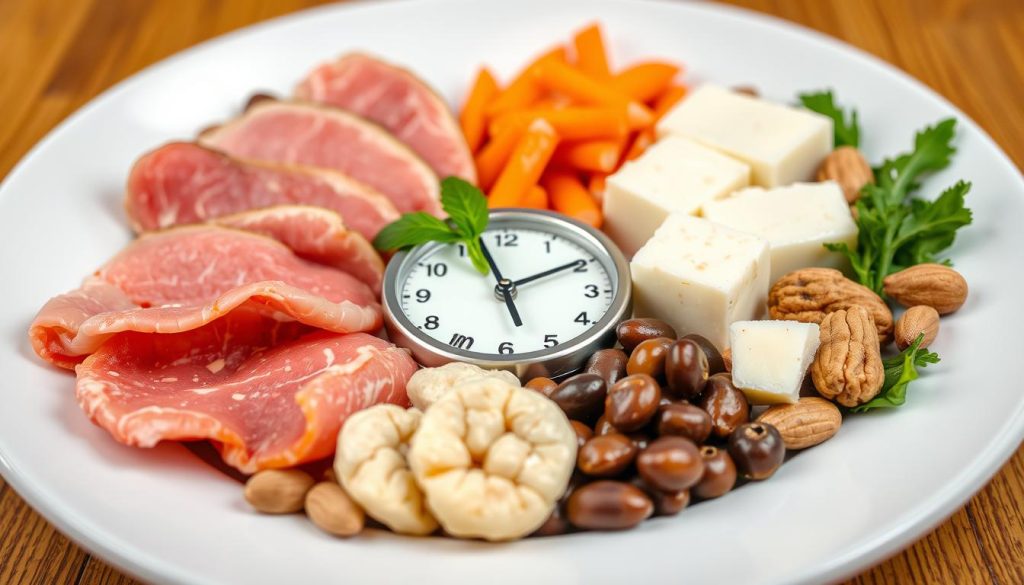
Timing Protein Intake for Optimal Results
Understanding when to eat protein can really help with weight loss. By planning your protein intake, you help your body keep muscles and lose fat. This strategy is key to your meal planning.
Quick Recommendation: Our blog is filled with tips and guides to weight loss. If your seeking for a proven, safe and tested product that has fat burning ability, boost metabolism and increased energy level and anti aging. This product is for you Nagano Fat Burning Tonic
Studies show that eating protein at certain times, like after workouts, boosts muscle recovery and growth. Eating protein within 30 minutes after exercising helps your muscles. Also, spreading protein across your meals keeps your energy up and hunger down.
But timing isn’t just about post-workout protein. A protein-rich breakfast boosts your metabolism and reduces cravings. A protein snack before bed stops muscle loss while you sleep. By adding these habits to your meal plan, you’ll reach your weight loss goals and keep your muscles strong.
The Role of Protein in Weight Loss: Best Sources and Tips
Learning about protein-rich diets can change how you lose weight. Adding more protein to your diet helps keep your muscles strong. It also makes you feel full, so you snack less.
Protein helps your body burn more calories when you digest it. This is called the thermic effect of food (TEF). It’s a big help in losing weight healthily.
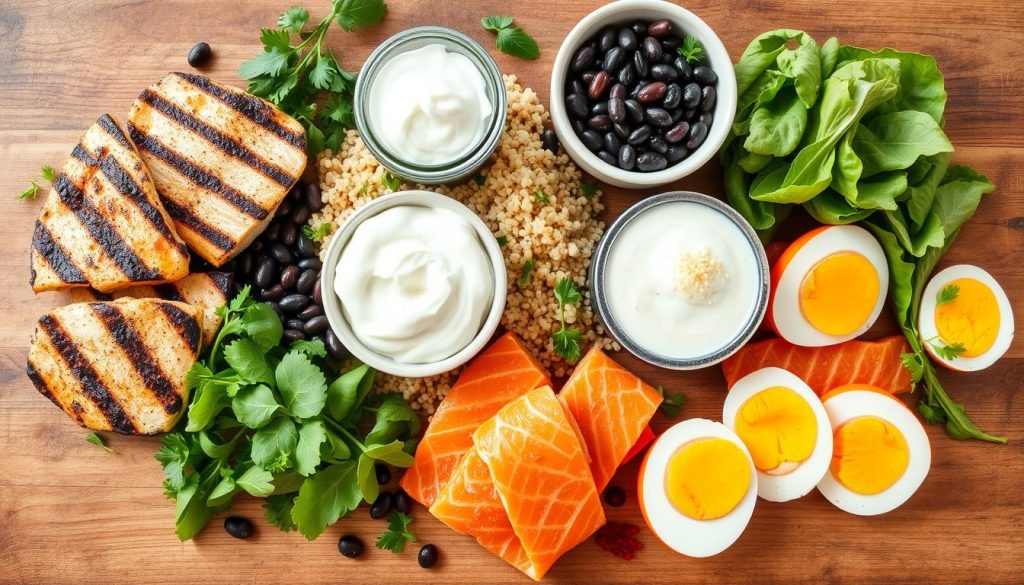
It’s smart to mix up your protein sources. Eat lean meats like chicken and turkey. Also, try plant-based foods like beans, lentils, and tofu. These foods give you important amino acids and fit many diets.
Think about when you eat protein too. Eating it all day keeps your muscles growing and keeps you full. Whether it’s a shake after working out or protein-rich snacks, make sure you get enough.
By following these tips and understanding protein’s role, you can lose weight well and keep your new diet habits.
Protein Supplements: Are They Necessary?
When trying to lose weight, you might ask if protein supplements like whey or plant-based ones are needed. Let’s explore the good and bad to see if they fit into your diet.
Protein supplements can make it easier to get more protein, especially if you can’t get enough from food. Whey protein is popular for its high-quality protein and quick digestion. Plant-based options are great for vegans or those with allergies.
But, there are things to consider. While supplements are handy, they shouldn’t replace real food. Real foods give you more nutrients than supplements can. Eating foods high in protein like lean meats, fish, and legumes can help you feel full and add variety to your meals.
Choosing the right supplement depends on your diet goals and needs. If you prefer plant-based, make sure it has complete protein like pea or a mix that has all amino acids. For those who can’t have dairy, rice or soy protein might be better.
In the end, whether to use protein supplements depends on your personal needs and diet. They can help with weight loss, but a balanced diet with lots of nutrients is key to success.
Quick Recommendation: Our blog is filled with tips and guides to weight loss. If your seeking for a proven, safe and tested product that has fat burning ability, boost metabolism and increased energy level and anti aging. This product is for you Nagano Fat Burning Tonic
Combining Protein with Other Nutrients
Creating a balanced diet is key for a successful weight loss journey. Getting enough protein is important, but combining it with other nutrients is crucial too. By focusing on your macronutrient ratio, you can make your diet more effective.
Your body needs carbs, fats, and proteins to work well. Adding plenty of protein and fiber to your meals can make you feel full longer. For example, eating lean meats like chicken or fish with veggies like broccoli or spinach makes a great meal.
Using a balanced macronutrient ratio is vital for losing weight. A common ratio is 40% carbs, 30% protein, and 30% fats. But you can adjust these to meet your needs. This way, you get enough protein and fiber while eating a diverse and nutritious diet.
Remember, mixing protein with other nutrients makes your diet varied and lasting. Whether it’s nuts, a quinoa salad, or a protein-packed breakfast, balance is essential for good nutrition.
Common Mistakes When Increasing Protein Intake
Boosting your protein can help with weight loss. But, it’s key to avoid common diet errors. One big mistake is eating too much protein, which can harm your kidneys and miss out on other nutrients. It’s vital to eat a balanced diet to get all the vitamins and minerals your body needs.
Some people also ignore fats and carbs when they focus too much on protein. This can make your diet unbalanced, leaving you tired and possibly lacking in nutrients. A good diet should have a variety of foods.
To avoid these mistakes, plan meals that include all macronutrients. While protein is important, don’t forget the need for a balanced diet. This approach will help you lose weight and stay healthy.
Tips for Incorporating More Protein into Your Diet
Want to increase your protein without changing your daily routine? Start with a protein-rich breakfast like Greek yogurt with berries and nuts. If you’re short on time, a protein shake or smoothie can boost your metabolism. These options keep you full and set a good base for the rest of your day.
For lunch and dinner, try different proteins like beans, lentils, and tofu. Add them to salads or stir-fries for healthy snacks or sides. This variety keeps your meals exciting and prevents diet boredom.
Meal prep can be a big help. Cook quinoa or brown rice and mix it with lean meats or legumes. Store these in the fridge for quick, protein-rich meals all week. It saves time and makes healthy eating easier.
Snacks are important too. Choose cottage cheese, hard-boiled eggs, or hummus with veggies. Keep them at home or work to avoid unhealthy snacks.
Make your protein sources flexible to fit into your meals easily. Add protein powder to oatmeal or pancake batter. Sprinkle chia or hemp seeds on salads and smoothies.
Remember, balance is key in your diet. Focus on whole foods for essential nutrients and protein. Meal prep and planning help you find the right balance without stress.
Conclusion
Starting a weight loss journey is more than just cutting calories or exercising. It’s about making smart food choices for lasting weight loss. This article has shown how crucial protein is in your diet, its sources, and how to add it to your meals.
Knowing the role of protein helps you reach your weight loss goals and stay healthy. You can get protein from lean meats, plants, or supplements. The goal is to find a balance. Adding other important nutrients can boost your health even more.
By avoiding common mistakes and adding more protein to your meals, you’re on the right path. This approach isn’t just for quick results. It’s about lasting health benefits from a balanced diet.
Follow the nutritional advice given with a focus on your overall health. You’ll be on a rewarding and lasting journey. Stick to these protein-focused tips, and a healthier, happier you is closer than you think.
Quick Recommendation: Our blog is filled with tips and guides to weight loss. If your seeking for a proven, safe and tested product that has fat burning ability, boost metabolism and increased energy level and anti aging. This product is for you Nagano Fat Burning Tonic