

Using a food journal is a great way to manage your weight. It helps you track what you eat and spot unhealthy patterns. This tool is key for counting calories and losing weight effectively.
Starting a food journal is easy. It makes you think about your food choices and how they impact your body. It’s a simple way to take charge of your diet and reach your weight loss goals.
Quick Recommendation: Our blog is filled with tips and guides to weight loss. If your seeking for a proven, safe and tested product that has fat burning ability, boost metabolism and increased energy level and anti aging. This product is for you Nagano Fat Burning Tonic
Key Takeaways
- Using a food journal aids in precise weight management.
- A nutritional diary helps in identifying unhealthy eating patterns.
- Diet tracking is crucial for understanding your food intake.
- Calorie counting becomes easier with a detailed food journal.
- A food journal can help you stay motivated and accountable.
The Benefits of Keeping a Food Journal
Keeping a food journal has many benefits beyond just logging meals. It’s a powerful tool for tracking your eating habits and raising awareness about your diet. It can greatly impact your wellness journey.
Increased Mindfulness
One key benefit is increased mindfulness. By writing down every meal and snack, you become more aware of your eating. This awareness helps you make better food choices.
Identifying Eating Patterns
A food journal helps you spot patterns and triggers in your eating. By tracking your diet, you can find links between your eating and mood or time of day. This knowledge lets you make healthier choices.
Accountability and Motivation
Lastly, a food journal keeps you accountable and motivated. Writing down what you eat makes you responsible for your choices. This can motivate you to reach your health goals. Plus, seeing your progress can boost your motivation even more.
Choosing the Right Food Journal for You
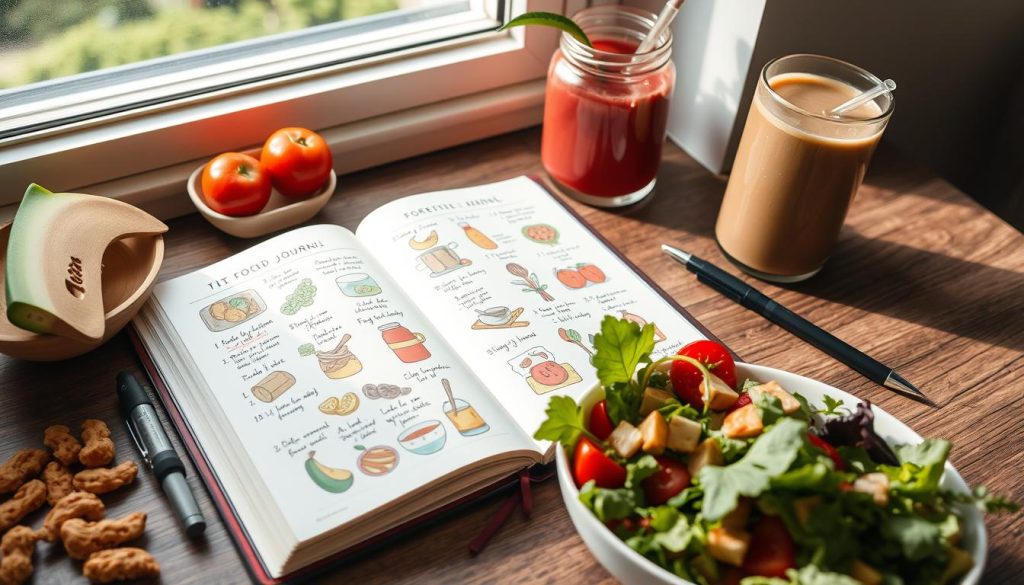
Starting a journey to better eating habits is easier with the right tools. You can choose between writing by hand or using technology. There’s a food journaling method for everyone.
Quick Recommendation: Our blog is filled with tips and guides to weight loss. If your seeking for a proven, safe and tested product that has fat burning ability, boost metabolism and increased energy level and anti aging. This product is for you Nagano Fat Burning Tonic
Paper Journals
Many people like the old-school way of using a paper journal. It’s a simple way to write down every meal and snack. This method helps you pay more attention to what you eat. But, it takes time and effort.
Digital Journals
Digital journals are convenient and full of features. You can use them on your computer or tablet to log meals quickly. They have customizable templates and are easy to organize. But, they don’t offer the same feeling as writing by hand.
Apps and Online Tools
Nutrition tracker apps are getting more popular. Apps like MyFitnessPal and LoseIt! let you log food easily. They even scan barcodes for nutritional info. They also have features like calorie tracking and community support. But, you need a smartphone or internet to use them.
Choosing the right food journal depends on what you like and your lifestyle. Whether it’s a paper journal, a digital notebook, or an app, pick what keeps you consistent and engaged.
How to Start Your Food Journal
Starting a food diary might seem hard at first. But, it quickly becomes very useful.
Deciding What to Track
Start by tracking eating habits that show you what you eat. Think about these important things:
- Meals and Snacks: Write down what and when you eat.
- Portion Sizes: Note how much of each food you have.
- Ingredients: Look at what’s in your food.
- Beverages: Remember to track drinks, like water.
- Mood: Record how you feel, as it affects eating.
Finding a Routine
It’s key to have a good journaling routine for success. Here’s how to make it part of your day:
- Set a Regular Time: Pick a time each day to write in your journal.
- Use Reminders: Use phone alarms or apps to remind you.
- Keep It Accessible: Always have your journal or app nearby.
- Be Consistent: Make journaling a must-do every day.
What to Include in Your Food Journal
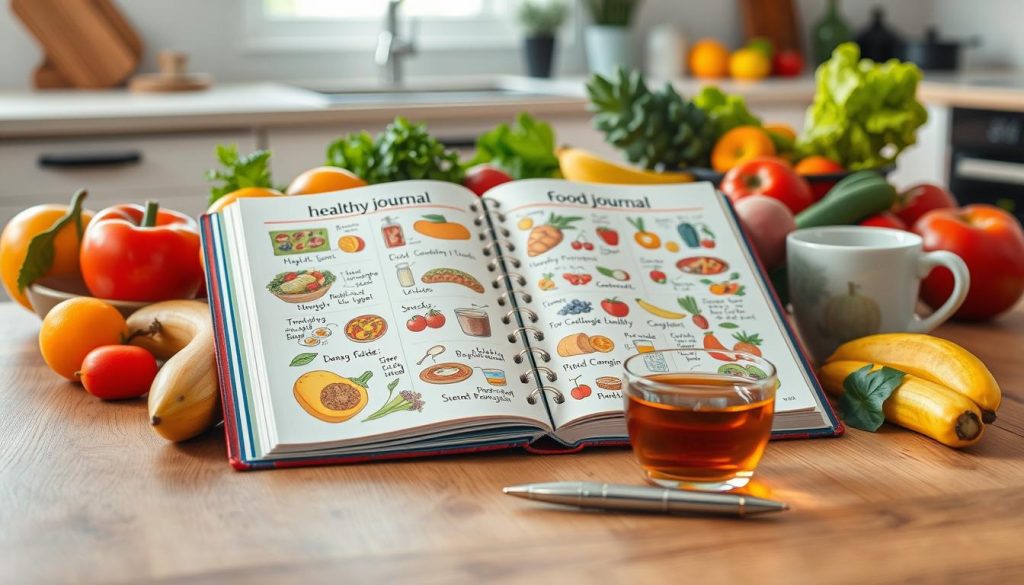
Your food diary is a great way to track what you eat and understand your eating habits. By writing down every meal, you can learn a lot about your diet. This helps you make better food choices.
Food Intake
It’s important to write down what you eat every day. List all the foods you consume. This helps you see what works best for you.
Portion Sizes
Controlling your portion sizes is key to a healthy diet. Always measure and record how much you eat. This helps you keep track of calories and understand your eating patterns.
Meal Times
Writing down when you eat can show a lot about your habits. It can help you see if you snack too late or skip meals. This info can help you adjust your eating schedule for better health.
Mood and Hunger Levels
Tracking your mood and hunger before and after meals is helpful. It shows patterns of emotional eating. This helps you make more thoughtful food choices.
Quick Recommendation: Our blog is filled with tips and guides to weight loss. If your seeking for a proven, safe and tested product that has fat burning ability, boost metabolism and increased energy level and anti aging. This product is for you Nagano Fat Burning Tonic
Tracking Your Food Intake Effectively
For accurate food tracking, being consistent is crucial. Keeping a detailed food diary helps track your calorie intake and diet. Here are some tips to improve your food journaling:
Honesty is the best policy when it comes to food journaling. Note everything you eat, even if it’s just a small bite or a treat.
1. Update Regularly: Make it a habit to update your food journal after every meal. Waiting too long can lead to forgetting key details about what you ate.
2. Measure Portions: Use a kitchen scale or measuring cups to log the exact amount of food consumed. This practice aids in accurate food tracking and diet recording.
3. Detail Descriptions: Include descriptions of your meals. Instead of writing “salad,” specify the ingredients, such as “mixed greens, cherry tomatoes, and grilled chicken.”
Here’s a simple table to illustrate how you might log your food intake:
| Meal | Food Item | Portion Size | Calories |
|---|---|---|---|
| Breakfast | Oatmeal with Bananas | 1 cup | 150 |
| Lunch | Grilled Chicken Salad | 2 cups | 300 |
| Dinner | Spaghetti with Marinara Sauce | 1.5 cups | 400 |
Using these strategies for accurate food tracking will help with calorie intake monitoring. It also makes your diet recording more comprehensive and valuable for your weight loss journey.
Tips for Staying Consistent with Your Food Journal
Keeping up with your food journal can be tough. But, with some strategies, it can become a daily habit. Here are tips to help you stay consistent with your food log and build healthy habits through your journal.

Set Reminders
Reminders are a smart way to remember to log your meals. Use your phone, a calendar app, or an alarm clock. Set reminders for important times like after meals or before bed. This makes it easier to keep up with your food log every day.
Keep Your Journal Accessible
Having your journal in easy spots, like the kitchen or car, helps you update it often. Digital journals and apps on your phone are also great because they’re always with you. The more you can get to your journal, the more likely you are to keep up with your dietary journal.
Make It a Habit
To build healthy habits, make journaling a regular part of your day. Try to do it at the same time as another daily activity, like having coffee or brushing your teeth. This way, journaling becomes a natural part of your routine.
Here’s a simple comparison to help you decide what works best:
| Method | Accessibility | Ease of Use | Reminders |
|---|---|---|---|
| Phone App | High | Very Easy | Automatic |
| Paper Journal | Variable | Easy | Manual |
Common Mistakes to Avoid in Food Journaling
Starting your food journaling journey? It’s key to avoid common mistakes that can make your efforts less effective. Knowing these food diary mistakes helps keep your journal accurate and supports your goals.
A common error is inaccurate tracking, often due to underestimating portion sizes. It’s important to measure your food right to report your intake correctly. Another mistake is overlooking details. This includes forgetting snacks or not counting liquid calories, which can greatly affect your calorie intake.
- Underestimating Portion Sizes: Always use measuring cups or a food scale to ensure you’re tracking accurately.
- Forgetting to Log Snacks: Make it a habit to jot down every snack, no matter how small.
- Not Accounting for Liquid Calories: Remember to include drinks like soda, juice, and even your morning coffee.
By carefully avoiding these food diary mistakes, you can keep a precise journal. This helps you stay on track with your weight loss goals. Always watch out for errors to make sure your food journal is a reliable tool.
Using Patterns and Trends to Inform Your Weight Loss Journey
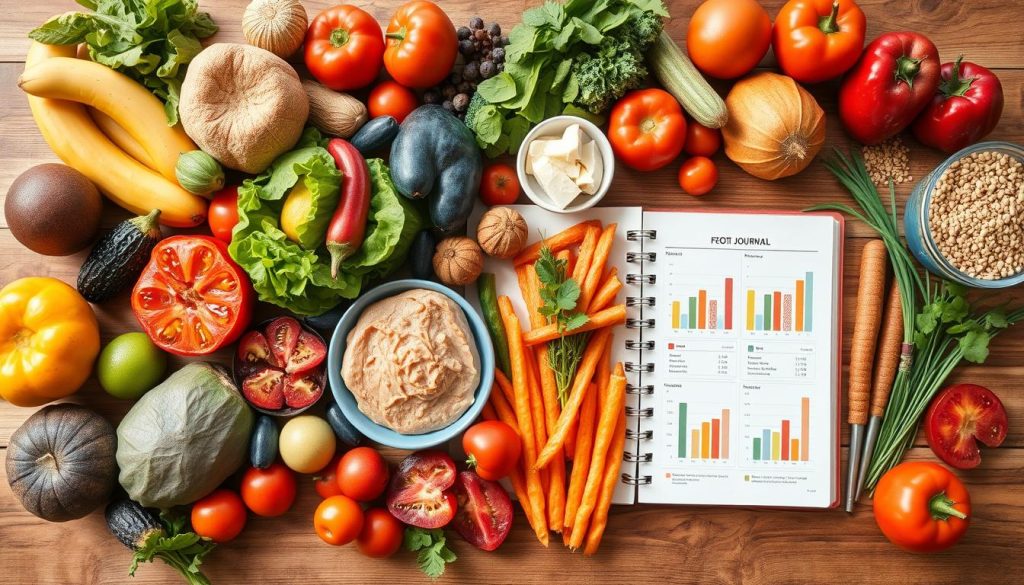
Your food journal is more than just a record of what you eat. It helps you find important trends in your eating habits. This way, you can make smart choices about your diet.
Quick Recommendation: Our blog is filled with tips and guides to weight loss. If your seeking for a proven, safe and tested product that has fat burning ability, boost metabolism and increased energy level and anti aging. This product is for you Nagano Fat Burning Tonic
Recognizing Emotional Eating
Keeping a journal helps you spot emotional eating moments. Do you snack when stressed or at night? Knowing these patterns lets you find better ways to handle stress.
Identifying Nutritional Gaps
Looking at your journal can show where your diet lacks nutrients. It helps you see if you’re missing certain foods or not eating enough variety. This lets you fix your diet to be more balanced.
Understanding Portion Control
Controlling portion sizes is key to managing weight. Tracking what you eat shows how much you really consume. This knowledge helps you adjust your portions to meet your weight loss goals.
By analyzing your journal, you can change how you view food. This leads to healthier eating and better nutrition choices.
How a Food Journal Can Improve Your Relationship with Food
Keeping a food journal is more than just tracking what you eat. It promotes mindful eating and helps develop healthy eating habits. By writing down each meal, you become more aware of your eating habits and the nutritional value of your food.
One of the biggest advantages of food journaling is the chance to practice mindful eating. As you record your meals, you start to notice the flavors and textures of your food. This makes you appreciate your meals more, turning every bite into a joy.
Also, a food journal can show you insights into your eating habits. You might find out you snack too much or have an unbalanced diet. These discoveries can help you adopt healthy eating habits that improve your health and weight.
Here’s a quick look at how a food journal can better your relationship with food:
| Benefit | Impact |
|---|---|
| Mindful Eating | Increases awareness of meal quality and enjoyment. |
| Food Appreciation | Enhances pleasure and satisfaction from meals. |
| Healthy Eating Habits | Identifies and corrects dietary imbalances. |
Combining Food Journaling with Other Weight Loss Strategies
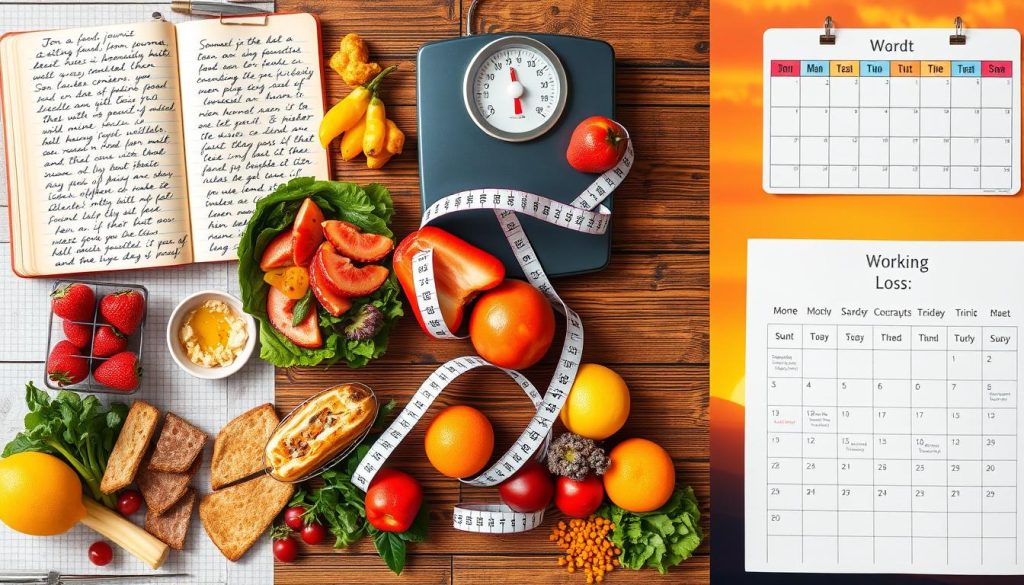
Food journaling is a strong tool, but it’s even better with other weight loss strategies. Let’s look at how adding exercise logs, progress photos, and support groups can boost your journey.
Exercise Logs
Adding an exercise log to your fitness journal gives a full picture of your day. It tracks your workouts, showing how long and how hard you’ve worked. This helps you see patterns and make changes to keep your plan balanced.
Progress Photos
Progress photos are a great way to see how far you’ve come. By taking pictures of yourself now and then, you can track your changes. These photos motivate you and show the real results of your hard work, right next to your journal entries.
Support Groups
Being part of support groups gives you community support, which is key to staying on track. Sharing goals and challenges with others keeps you motivated and accountable. Being in these groups makes your weight loss journey more fun and lasting.
By mixing food journaling with exercise logs, progress photos, and community support, you get a strong plan. This approach not only tracks your progress but also keeps you excited and involved in your weight loss journey.
How to Use a Food Journal to Stay on Track with Weight Loss
Keeping a food journal is a great way to stay on track with your weight loss goals. It helps you be more aware of what you eat. This way, you can see where you might need to make changes in your diet.
To track your diet well, it’s important to write down what you eat every day. Include how much you eat and how hungry you are before and after meals. This helps you spot patterns that might be stopping you from losing weight, like eating when you’re not hungry or missing important nutrients.
Another important part of using a food journal is sharing it with others. Talking about your eating habits with a dietitian or a support group can really help. It gives you more motivation and helps you see your eating patterns more clearly. This can make it easier to reach your weight loss goals.
Here’s a quick guide on what to write in your food journal:
- Food Intake: List everything you eat and drink.
- Portion Sizes: Be specific about how much you eat.
- Meal Times: Note when you eat your meals and snacks.
- Mood and Hunger Levels: Record how you feel before and after eating.
By keeping a detailed and regular food journal, you make it easier to watch your eating habits. It also helps you make better choices, leading to achieving weight loss. This simple tool can change how you think about food and help you meet your weight loss goals.
Conclusion
A food journal can be a key tool in your weight loss journey. It helps you make better food choices that fit your health goals. By tracking your meals, portion sizes, and mood, you get a clear picture of your eating habits.
This understanding helps you know what you need and how you eat. It’s not just about losing weight. It’s about building a healthier relationship with food and seeing how it affects your overall health.
Keeping a food journal also helps with long-term weight management. It shows you where you can improve and celebrates your small wins. This keeps you moving forward and helps you stay on track.
Using a food journal also makes you more accountable for your nutrition. By watching what you eat, you can stick to your goals and make changes when needed. Being consistent and honest in your journal can really boost your confidence and commitment to a healthier life.
Quick Recommendation: Our blog is filled with tips and guides to weight loss. If your seeking for a proven, safe and tested product that has fat burning ability, boost metabolism and increased energy level and anti aging. This product is for you Nagano Fat Burning Tonic