
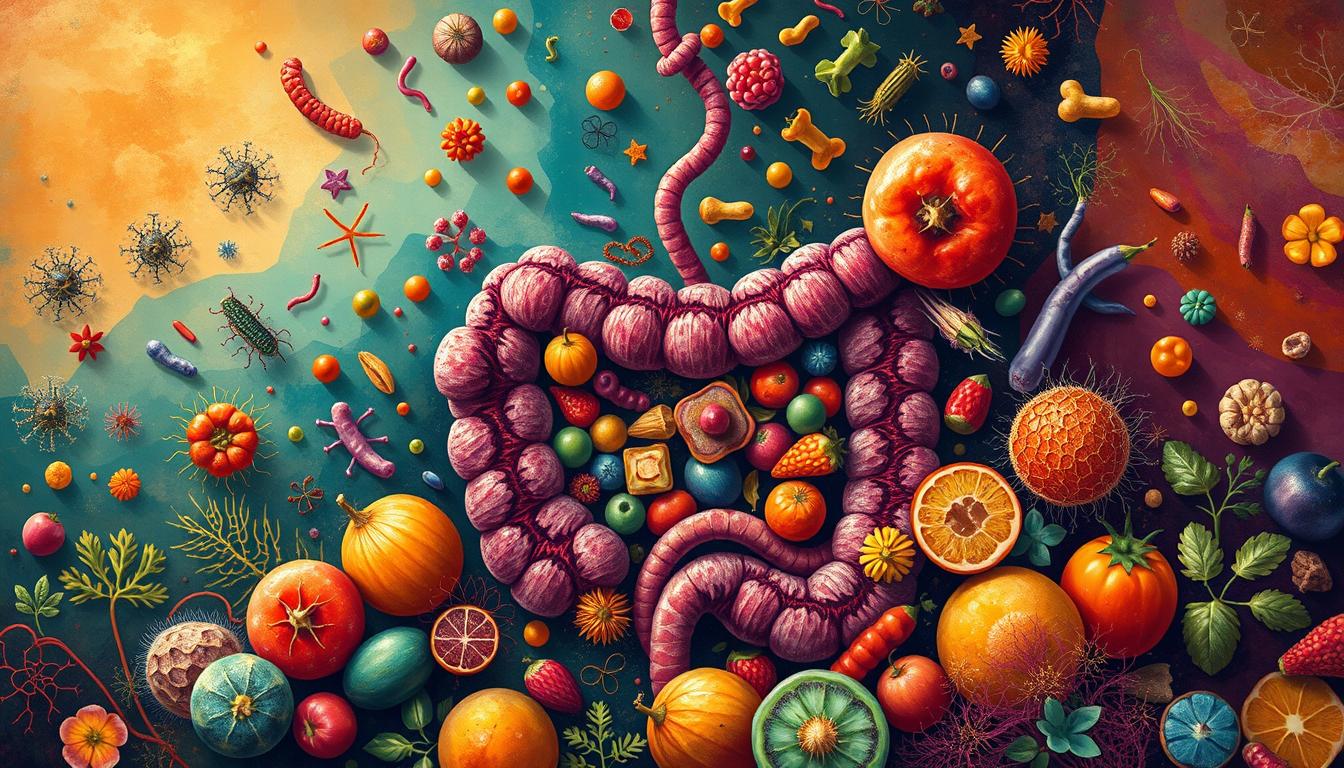
Did you know your gut has trillions of tiny helpers? These microorganisms are key to your health. They play a big role in how you manage your weight.
Your gut health is closely tied to how your body uses food for energy. A healthy gut helps you absorb nutrients better and burn energy more efficiently. This can help you avoid gaining too much weight.
Learning about gut flora and weight can help you make better food choices. A healthy gut is the first step to losing weight and keeping it off. Let’s explore how to improve your gut health for better weight management.
Understanding Gut Health: The Basics
When we talk about digestive health, we must first grasp what gut health means. Your gut, or the gastrointestinal tract, is filled with many different kinds of tiny life forms. These are called the intestinal flora.
Having the right mix of these tiny lives is key to staying healthy. They help break down food, make important nutrients, and keep bad bacteria away. They also help control how our body fights off sickness and affect our mood.
Keeping your gut bacteria in balance is vital for good health. A healthy gut can fight off infections, reduce swelling, and help your body work right. A balanced gut can make your life better in many ways, from how you digest food to how clear your mind is.
Quick Recommendation: Our blog is filled with tips and guides to weight loss. If your seeking for a proven, safe and tested product that has fat burning ability, boost metabolism and increased energy level and anti aging. This product is for you Nagano Fat Burning Tonic
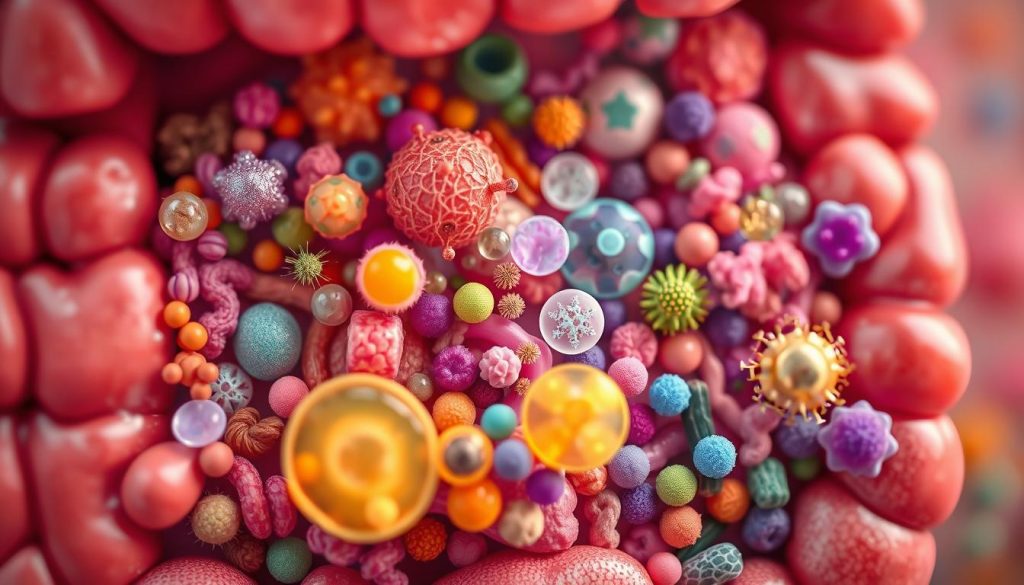
In short, knowing about gut health shows why keeping your gut flora balanced is so crucial. By focusing on your gut bacteria, you can boost your digestive health and overall well-being.
How Your Gut Influences Weight Management
The link between your gut and weight control is deeper than you might realize. Studies show that tiny microorganisms in your gut can affect many factors important for managing weight. For example, your gut microbiota is key in extracting calories from the food you eat.
Specific bacteria in your gut also play a role in how your body feels hungry or full. This can affect how much you eat. An imbalance in your gut microbiota might even lead to more fat storage, making it harder to control your weight.
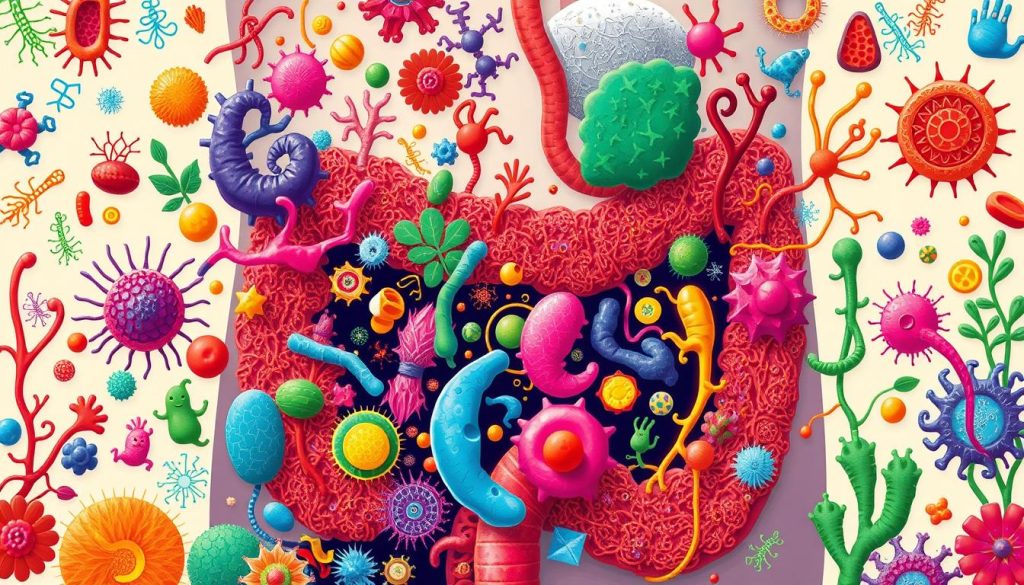
Changing your gut microbiota can lead to better weight management strategies. Understanding how your gut affects calorie extraction and appetite can be a big help in controlling your weight.
The Role of Gut Health in Weight Loss
Your gut is key to losing weight. A diverse microbiome aids digestion and helps manage weight. It turns fibers into short-chain fatty acids, which boost metabolism and make you feel full.
Fibers are fermented by a diverse microbiome. This creates short-chain fatty acids. These acids help control your metabolism and energy balance. They also make you feel full, helping you eat less.

Also, a diverse microbiome affects hunger hormones. It signals to your brain that you’re full. This natural control can help you reach your weight loss goals.
Keeping your gut healthy is important for losing weight. A diet rich in fibers improves gut health and aids in weight management. So, think about your gut when planning meals.
Signs of an Unhealthy Gut
Knowing about your gut health is key for feeling good. A big sign of an unhealthy gut is digestive discomfort. This can be pain, cramping, or feeling uneasy in your belly.
Quick Recommendation: Our blog is filled with tips and guides to weight loss. If your seeking for a proven, safe and tested product that has fat burning ability, boost metabolism and increased energy level and anti aging. This product is for you Nagano Fat Burning Tonic
Feeling bloated a lot is another warning sign. While it’s okay to feel bloated sometimes, it’s not normal all the time. It might mean your gut’s balance is off.
Irregular bowel movements also point to gut health issues. If you’re constipated or have diarrhea, it means your digestive system isn’t working right.
Other signs of an unhealthy gut include unexpected weight changes, skin problems, and sleep issues. These signs show how important it is to keep your gut healthy. They can affect your weight loss and how well you feel every day.
Dietary Changes to Improve Gut Health
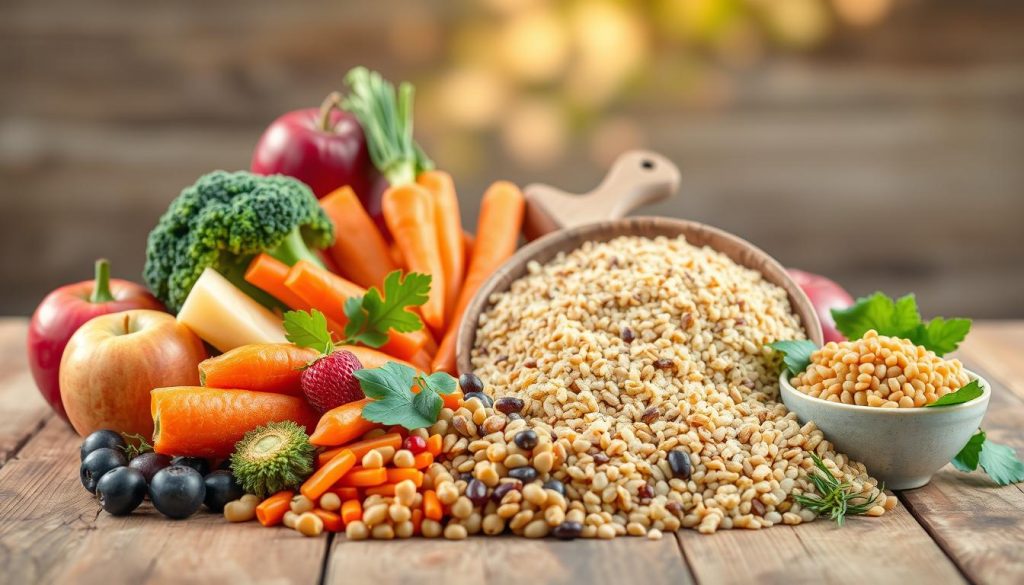
Making changes to what you eat can really help your gut health and aid in losing weight. Eating foods high in fiber like fruits, veggies, and legumes is key. These foods make your stool bulkier and help good bacteria grow in your gut.
Whole grains like oats, brown rice, and quinoa are full of fiber and nutrients. Eating them helps keep your bowels regular and cuts down on gut inflammation.
Foods like yogurt, kimchi, and sauerkraut are packed with probiotics. These live bacteria improve your gut’s balance and aid digestion.
These diet changes create a better gut environment and help you stay healthy. Studies show that eating fiber and fermented foods boosts gut health. This makes it easier to manage your weight.
Probiotics and Prebiotics: What’s the Difference?
It’s important to know the difference between probiotics and prebiotics for better gut health. Probiotics are live bacteria that help with digestion and immune function. They are the “good” bacteria that improve your gut’s balance and help with weight.
Prebiotics, on the other hand, are not live. They are fibers that feed the good bacteria in your gut. Think of them as food for your probiotics. They help create a healthy environment for your gut, improving digestion and nutrient absorption.
Dietary supplements can help you add both probiotics and prebiotics to your diet. These supplements offer a complete approach to gut health. They ensure you get both the beneficial bacteria and the nutrients they need to grow.
Using probiotics and prebiotics can lead to many health benefits. You can expect better digestion, a stronger immune system, and easier weight control. When choosing supplements, look for ones that have both probiotics and prebiotics. This mix provides the best support for your gut health.
To get the most out of these supplements, use them as part of a healthy diet. Taking them every day helps keep your gut healthy and supports your overall well-being. This consistent use aids in weight management and more.
Foods to Avoid for Better Gut Health
Keeping your gut healthy is key for feeling good. But, some foods can harm your gut microbiome, causing health problems.
Processed foods are bad for your gut. They have unhealthy fats, sugar, and artificial stuff. Eating them often can cause inflammation and digestive issues.
Artificial sweeteners are not as healthy as they seem. They can harm your gut bacteria. This can lead to weight gain and obesity, not weight loss.
Inflammatory foods are also bad for your gut. Foods with trans fats, fried stuff, and too much sugar can cause inflammation. This hurts your digestive system and health. Eating more fruits, veggies, and whole grains can help your gut.
Avoiding processed foods, artificial sweeteners, and inflammatory foods is smart. It can make your gut and overall health better.
Quick Recommendation: Our blog is filled with tips and guides to weight loss. If your seeking for a proven, safe and tested product that has fat burning ability, boost metabolism and increased energy level and anti aging. This product is for you Nagano Fat Burning Tonic
The Connection Between Stress and Gut Health
Stress can deeply affect your gut health. When you’re stressed, your cortisol levels go up. This hormone messes with the balance of bacteria in your gut. This can cause many digestive problems, showing how important it is to manage stress for a healthy gut.
The gut-brain axis, linking your nervous system and gut, is key in handling stress. High cortisol levels can change this connection, causing more issues. So, it’s crucial to understand and manage your stress for both your mind and body.
Using stress management techniques like mindfulness, exercise, and a balanced diet is vital for a healthy gut. These practices help your digestive health and overall wellness. By adopting these strategies, you keep your gut-brain axis in top shape.
Exercise and Gut Health
Regular physical activity greatly benefits your gut health. Studies show that exercise boosts the variety of good bacteria in your gut. This variety is key for a strong digestive system and overall health.
Adding more exercise to your day can also help with weight loss. When you exercise and eat well, you lose weight and improve your gut’s health. This shows the value of a complete approach to losing weight.
Exercise also helps food move through your digestive system and lowers inflammation. This makes your gut healthier. Walking, running, cycling, or yoga are all good ways to stay active and benefit your gut.
Finally, making exercise a regular habit is a simple yet effective way to support your gut health. It helps with weight loss and boosts your overall physical and mental health.
Practical Tips for Maintaining a Healthy Gut
Starting a journey to better gut health can seem daunting. But, simple daily habits can greatly improve your gut health. First, make sure to drink enough water. This helps your digestive system work well. Try to drink at least eight glasses a day.
Another key habit is mindful eating. This means eating with full attention. Eat slowly, enjoy each bite, and listen to your body’s hunger and fullness cues. Mindful eating not only aids digestion but also makes meals more enjoyable. It helps reduce stress that can harm your gut.
Add fermented foods like yogurt, kimchi, and sauerkraut to your diet. They are full of probiotics that help your gut’s good bacteria. Also, eat plenty of fiber-rich fruits and vegetables. They help with digestion and nutrient absorption.
Regular exercise is also great for your gut. It boosts blood flow to your gut and helps grow good bacteria. Combine this with relaxation techniques like meditation or yoga. These help reduce stress, which can harm your gut.
By adding these easy habits, like staying hydrated and eating mindfully, you can keep your gut healthy. Remember, small steps can lead to big changes over time.
Conclusion
Understanding the role of gut health in weight loss is key for a balanced wellness journey. We explored how the microbiome affects weight and overall health. This knowledge is crucial for long-term health benefits.
Your gut plays a major role in your health. It’s not just a silent partner; it leads the way. By recognizing unhealthy gut signs and making dietary changes, you can reach your goals. Staying away from bad foods, managing stress, and being active also help keep your gut healthy.
Starting your gut health journey means adopting a lifestyle that boosts overall well-being. It’s not just about losing weight fast. It’s about building a strong foundation for long-term health. By sticking to these practices, you’re taking the first step towards a healthier body.
Quick Recommendation: Our blog is filled with tips and guides to weight loss. If your seeking for a proven, safe and tested product that has fat burning ability, boost metabolism and increased energy level and anti aging. This product is for you Nagano Fat Burning Tonic