
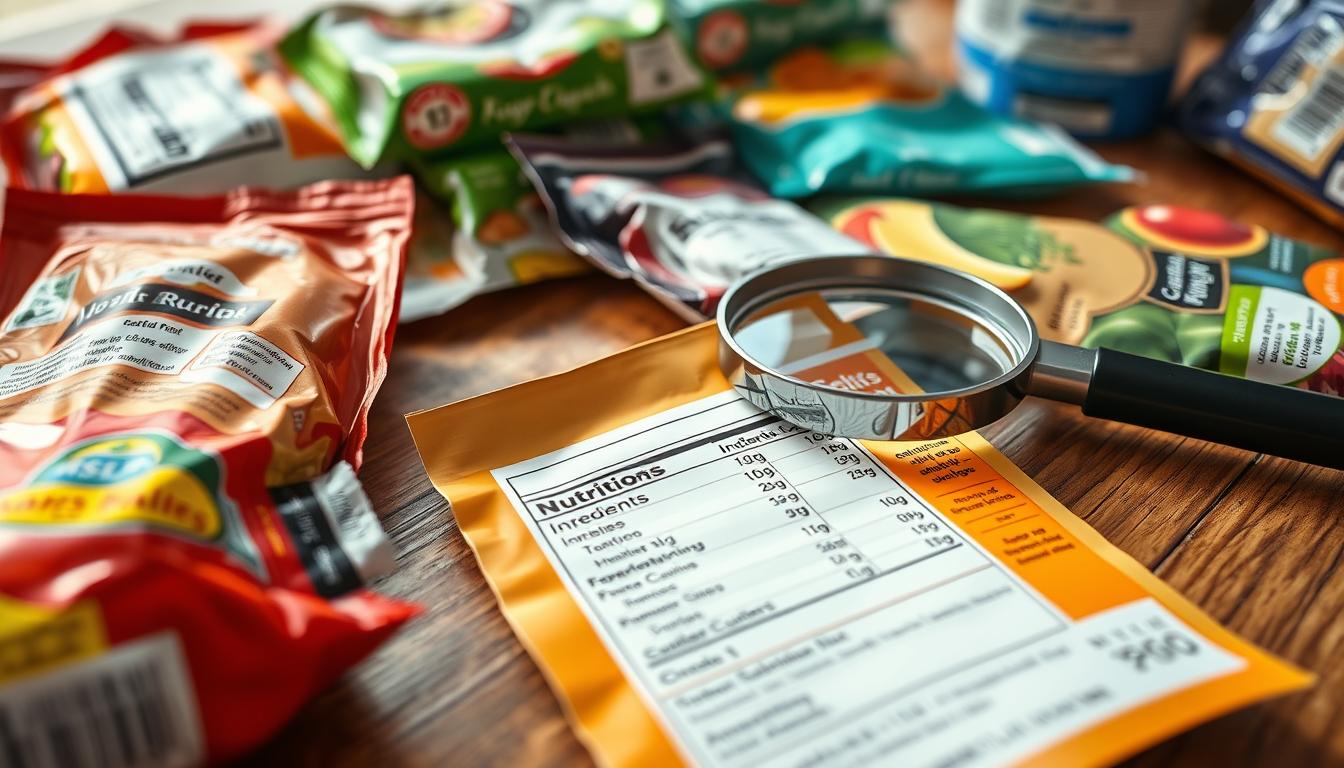
Did you know 75% of shoppers check food labels before buying? This shows how important nutrition facts understanding is in our lives. Whether you want a healthier lifestyle or just better grocery choices, knowing how to read labels is key. We’ll explore FDA guidelines and expert tips to help you understand food label education.
By the end of this guide, you’ll grasp serving sizes, ingredients, and nutrients. You’ll also learn to spot false claims. Let’s start making better eating choices together!
Quick Recommendation: Our blog is filled with tips and guides to weight loss. If your seeking for a proven, safe and tested product that has fat burning ability, boost metabolism and increased energy level and anti aging. This product is for you Nagano Fat Burning Tonic
Why Food Labels Matter
Food labels give you key info to make smart food choices. It’s not just about calories. It’s about knowing the nutrients and ingredients that affect your health.
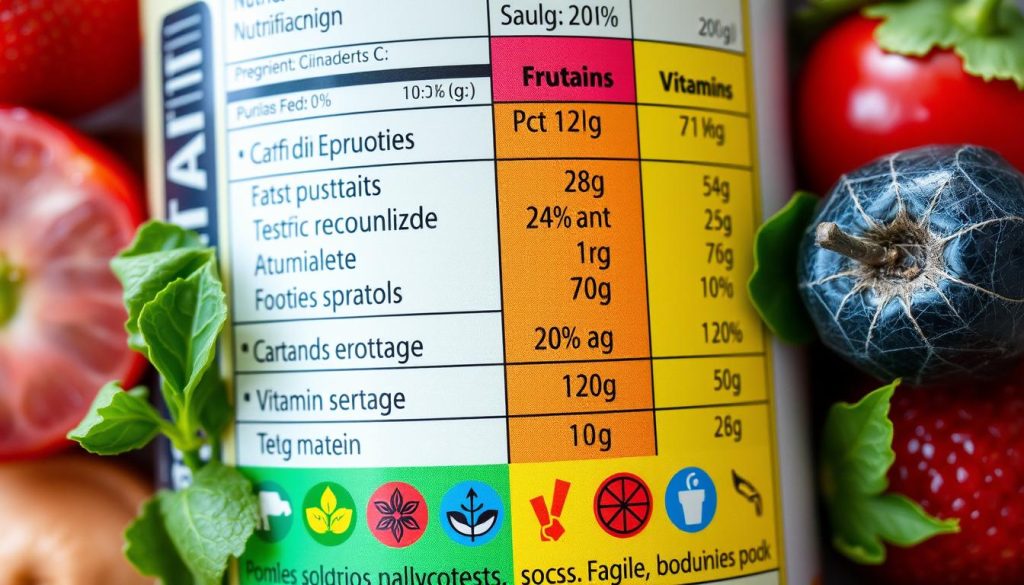
Studies show that knowing nutritional details helps you eat better. This can reduce risks of diseases like heart disease, diabetes, and obesity.
But, many people find food labels hard to understand. This shows we need clearer labels. Learning to read these labels helps you pick healthier foods.
New rules on labels aim to help you. These changes protect your rights, giving you the info to choose better foods. With so many choices, knowing how to read labels lets you control your health and meet your nutritional goals.
Decoding Serving Size
Understanding serving size is key for portion control. The USDA says a serving size is what you usually eat at once. It helps you manage food intake and follow serving size guidelines.
A nutritionist can help you adjust food label sizes to fit your diet. This is important for managing food intake and reaching your health goals.
It’s also important to compare labeled sizes to what you actually eat. This helps avoid eating too much. It makes sure you make smart food choices.
Calories and Daily Value Percentages
Understanding food labels is key for tracking calories. The first thing you see is the calorie count per serving. This tells you how many calories you’ll get from the recommended amount. Remember, controlling your portions is crucial for tracking calories.
Quick Recommendation: Our blog is filled with tips and guides to weight loss. If your seeking for a proven, safe and tested product that has fat burning ability, boost metabolism and increased energy level and anti aging. This product is for you Nagano Fat Burning Tonic
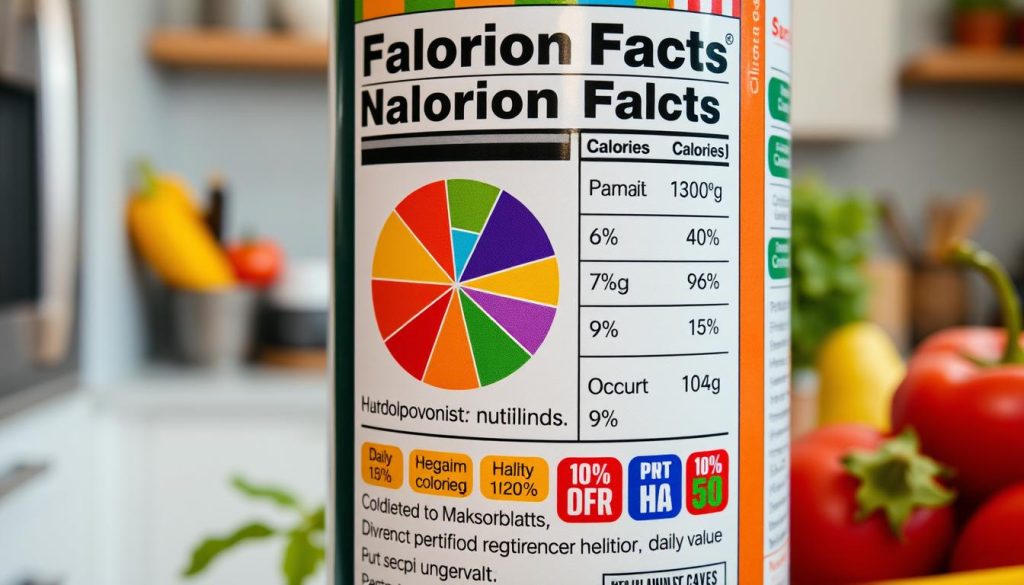
Food labels also show daily intake percentages, known as percentage daily values. These are based on a 2,000-calorie diet, but your needs might differ. This makes it easy to see if a food is a big or small part of your daily diet.
Also, the ‘calories from fat’ section is important. It shows how much fat contributes to the calories in the product. This helps you keep your diet balanced and within your daily calorie limit. Watching the percentage daily values helps you avoid going over your calorie goal.
Understanding Ingredients Lists
Learning about ingredients lists on food labels is key for healthier choices and clean eating. Ingredients are listed by weight, so the first ones are the most important. This rule helps reveal hidden chemical additives in food.
When checking ingredients lists, watch out for preservatives and artificial additives. These can harm your health and mess up your clean eating plans. Groups like the Environmental Working Group (EWG) fight for clear labels to help avoid hidden allergens.
Choosing between whole foods and processed foods often comes down to the ingredients list. Whole foods, like fruits and vegetables, have few or no additives. On the other hand, processed foods have many chemicals. Going for foods with simpler ingredients lists can lead to better nutrition and a healthier life.
Nutrient Breakdown
Understanding food labels is key to a balanced diet. Labels show the amounts of carbs, proteins, and fats. Carbs give us energy, proteins help build and fix tissues, and fats are vital for health and energy.
Vitamins and minerals are also listed on labels. They’re crucial for your health, supporting your immune system and bones. Eating a variety of foods ensures you get all the nutrients you need.
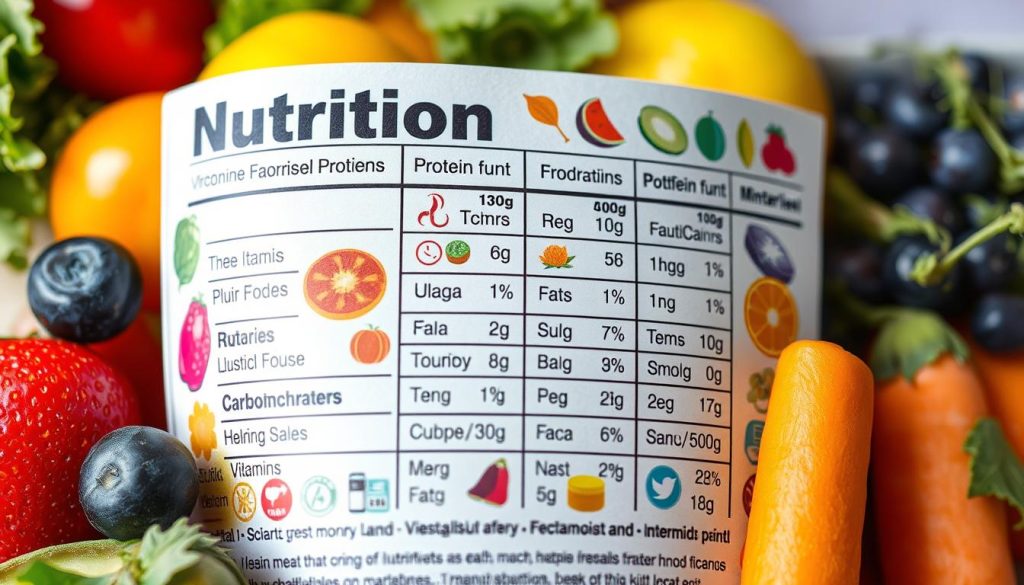
To meet your nutritional needs, read the nutrient percentages on labels. These percentages help you know if you’re getting enough of each nutrient. A balanced diet is vital for your health, so it’s important to pay attention to these details.
Sugar, Sodium, and Fats
Knowing the right amount of sugar is important for your heart. The American Heart Association (AHA) says women should have less than 24 grams of added sugar daily. Men should aim for 36 grams or less. Too much sugar can lead to weight gain and harm your heart.
It’s also key to watch your sodium intake. The AHA recommends eating less than 2,300 milligrams of sodium daily. If you have high blood pressure, try to stay under 1,500 milligrams. Reading food labels helps you keep sodium levels in check for a healthy heart.
Different fats have different effects on your health. Saturated fats, found in animal products, should be limited because they can increase cholesterol. On the other hand, unsaturated fats from plants and fish are better for your heart. But, avoid trans fats as they can harm your cholesterol levels.
Learning to read food labels helps you make better choices. It’s all about finding the right balance of sugars, sodium, and fats. This balance is crucial for your health and well-being. The numbers on labels are there to help you eat better.
Food Label Claims
Understanding food label claims helps you make better choices. The USDA and FDA have strict rules for “organic” labels. This means products labeled “organic” follow strict farming standards.
These rules also cover GMO labeling. This lets you know if a product has genetically modified organisms. This is helpful for those who want to avoid GMOs for health or personal reasons.
Quick Recommendation: Our blog is filled with tips and guides to weight loss. If your seeking for a proven, safe and tested product that has fat burning ability, boost metabolism and increased energy level and anti aging. This product is for you Nagano Fat Burning Tonic
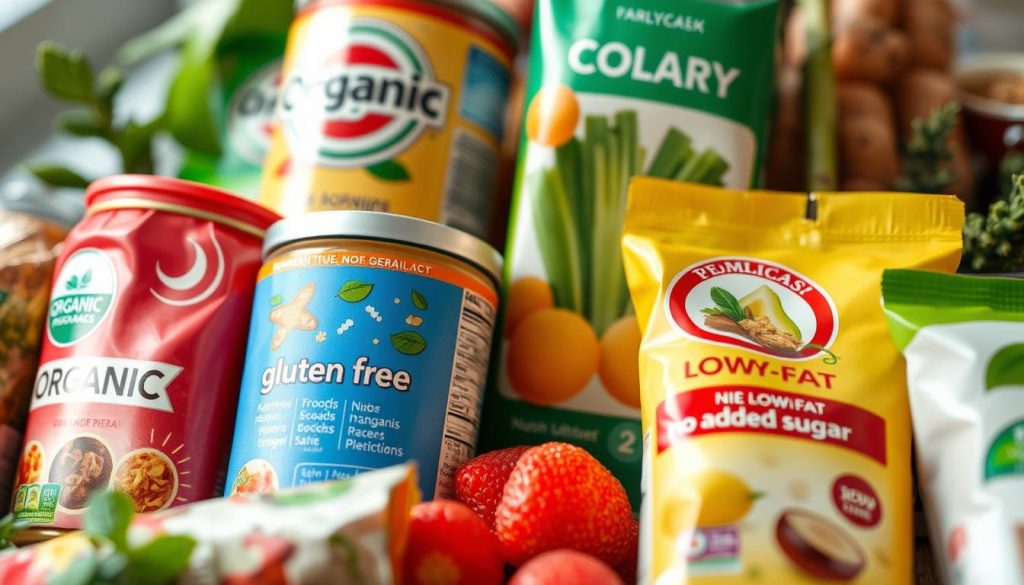
Health claims like “gluten-free” are getting more common. For a product to be labeled gluten-free, it must have less than 20 parts per million of gluten. This is crucial for people with celiac disease or gluten sensitivity.
Label claim rules are key to keeping consumers safe and trusting. They ensure the products are safe and meet quality standards.
Third-party certifications, like the Non-GMO Project or Certified Gluten-Free, are also important. They add an extra layer of trust. Knowing these certifications can help you make better choices when shopping.
Avoiding Marketing Tricks
When you’re in the grocery aisles, watch out for misleading food labels. Terms like ‘light’, ‘multigrain’, and ‘no added sugar’ might sound good but aren’t always. ‘Light’ means less fat but not always fewer calories. ‘Multigrain’ just means it has different grains, but they might not be whole.
Be careful of buzzwords in food marketing. Words like ‘organic’ or ‘natural’ can be unclear. They might suggest health benefits that aren’t real. Health claims on the front of packages often highlight one good thing while hiding others, like high sugar or salt.
To be a smarter shopper, take time to check these claims. Look at the nutritional info on the back of the package. For example, a product saying ‘no added sugar’ might still have a lot of natural sugars or artificial sweeteners. Groups like the Center for Science in the Public Interest teach you how to spot these tricks, helping you make better choices.
Conclusion
Learning to read food labels is more than a skill; it’s a way to make better choices. It helps you understand serving sizes, calories, and what’s in your food. This knowledge lets you make choices that are good for your health.
Getting better at reading labels makes shopping easier. It turns shopping into a strategic move for your health, not just a guess.
Learning more about food labels might seem small, but it’s a big deal for your health. It changes how you see food and what you eat. Being informed means you can take care of your health in a smart way.
This knowledge helps you make choices that are good for you. It’s not just about what you eat, but how you think about food.
Learning about food labels does more than help you. It helps your community and makes food companies more open. Every time you make a smart choice, you help create a healthier world.
So, keep learning and practicing. You’ll see how it improves your health and the health of those around you.
Quick Recommendation: Our blog is filled with tips and guides to weight loss. If your seeking for a proven, safe and tested product that has fat burning ability, boost metabolism and increased energy level and anti aging. This product is for you Nagano Fat Burning Tonic