

Have you ever felt let down after setting a big weight loss goal? It’s common. Many start strong but struggle when goals are too high. Setting realistic goals is key to success, not just about losing weight.
Think about your last New Year’s resolution. You might have wanted to lose weight fast or stop eating sweets. But keeping up that motivation is hard. Instead, aim for goals you can reach, one step at a time. This way, you’ll enjoy every small win and stay motivated.
In this guide, we’ll show you how to set and keep weight loss goals. We’ll talk about why these goals are important, how to make a plan, and where to find support. You’ll learn how to start a successful weight loss journey.
Understanding the Importance of Realistic Weight Loss Goals
Setting realistic weight loss goals is key to lasting success in your health journey. Realistic goals help you avoid the disappointment of high expectations. They build a solid base for steady progress, keeping you out of the “yo-yo dieting” cycle.
Managing your weight loss expectations is also vital. Unrealistic goals can lead to frustration and lower motivation. But, realistic goals bring a sense of achievement and keep you motivated. This way, you celebrate small wins and develop a healthier body image.
Understanding the emotional side of weight loss is important too. Realistic goals teach patience and self-compassion. They help you stay strong through tough times and appreciate your slow progress. This mindset keeps you motivated for the long haul.

By aiming for realistic goals, you make your weight loss journey positive and lasting. This thoughtful approach to weight loss leads to lasting success and a happier, healthier you. In short, realistic goals are not just about losing weight. They deeply impact your mental health and outlook on your journey.
Assessing Your Current Health and Fitness Level
Before starting your weight loss journey, it’s important to do a health check. Knowing where you are now helps set a good fitness goal. Talking to health experts can give you a clear picture of your health.
Your Body Mass Index (BMI) is a good starting point. It shows if your weight is healthy for your height. But remember, BMI is not everything. Look at body composition, muscle, and lifestyle too.
Getting a medical check-up can give you important insights. Doctors can do tests and check your health. This helps make a safe and good weight loss plan.
You can also track your health yourself. Keep an eye on your daily activities, what you eat, and how you feel. This helps you see what you need to work on. It’s a first step to setting better goals.

Knowing where you start is crucial. It helps you make smart choices and succeed in your weight loss. This way, your efforts match what your body needs and can do.
Determining a Healthy Weight Range
Knowing your healthy BMI range helps you set ideal weight goals. The body mass index (BMI) uses your height and weight to classify your weight status. But, BMI only tells part of the story about your body composition.
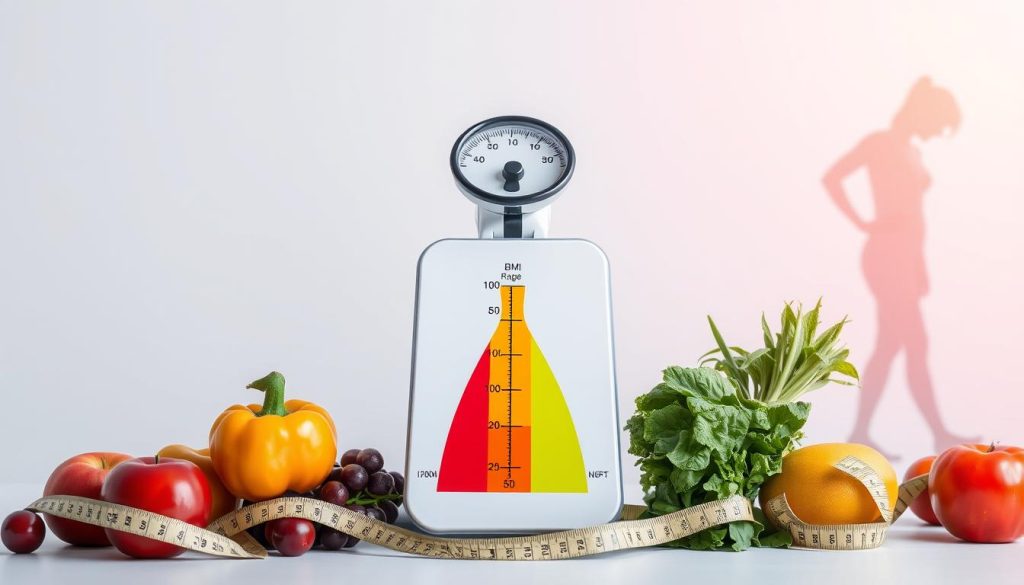
BMI gives a quick look, but it misses muscle mass, bone density, and body fat distribution. For example, athletes might have a high BMI from muscle, not fat. Looking at muscle mass and body fat percentage gives a better health picture and helps set realistic weight goals.
Age affects your healthy weight range too. As we age, our body composition changes, often increasing fat. So, what’s healthy in your 20s might not be the same in your 30s or 40s. It’s important to talk to your healthcare provider to find the right weight range for your age and body.
Setting SMART Goals for Weight Loss
Starting an accountable weight loss journey means setting clear goals. The SMART criteria—Specific, Measurable, Attainable, Relevant, and Time-bound—are key. They help you make a plan that motivates you to reach your targets. Let’s explore how to use each part of the SMART framework for your weight loss journey.
First, make your goals Specific. Instead of “I want to lose weight,” say “I will lose 10 pounds.” This clear goal helps you stay focused.
Next, your goals must be Measurable. It’s important to track your progress. Set goals like “I will lose one pound a week” to see how you’re doing.
Goals should also be Attainable. It’s okay to dream big, but don’t set goals that are too high. Aim for something like losing 5% of your body weight in 3 months.
Relevance is key. Your goals should align with your bigger goals. For example, if you want to improve your health, set goals like “I will lose 10 pounds to manage my blood pressure better.”
Finally, make your goals Time-bound. Deadlines help you stay on track. Say “I will lose 10 pounds in 12 weeks” to give yourself a deadline.
Setting SMART goals for weight loss helps you stay on track. Each small step gets you closer to your big goal. Remember, every step counts.
Creating a Weight Loss Plan
Starting a weight loss journey needs careful planning. Personalized strategies are key. First, look at your lifestyle, diet needs, and what resources you have. These help create diet and exercise plans just for you.
Talking to a dietitian or fitness expert can help a lot. They make sure your diet changes are healthy and your workouts are safe. A good plan includes a balanced diet, regular exercise, and changing your habits.

Make diet and exercise plans that fit your life but still help you reach your goals. Personal strategies keep you motivated by allowing small treats. Focus on a balanced plan that changes as you do.
Monitoring Your Progress
Tracking your weight loss success is key to staying motivated. Keeping a food diary is a great way to monitor your progress. It helps you spot patterns and make diet changes.
Using fitness apps like MyFitnessPal or Fitbit is also helpful. These apps track your calorie intake and physical activities. Regular weigh-ins show your weight loss progress. Weigh yourself at the same time each day for consistent results.
Take body measurements too. The scale might not always show your progress, especially if you’re building muscle. Measuring your waist, hips, and other areas shows body shape changes.
Remember the emotional side of your journey. Reflect on how your efforts affect your mood and energy. Keeping a journal of these changes can motivate you when needed.
Adapting your weight loss strategies is important. If a method isn’t working, try something new. A nutritionist or fitness expert can offer fresh ideas to help you reach your goals.
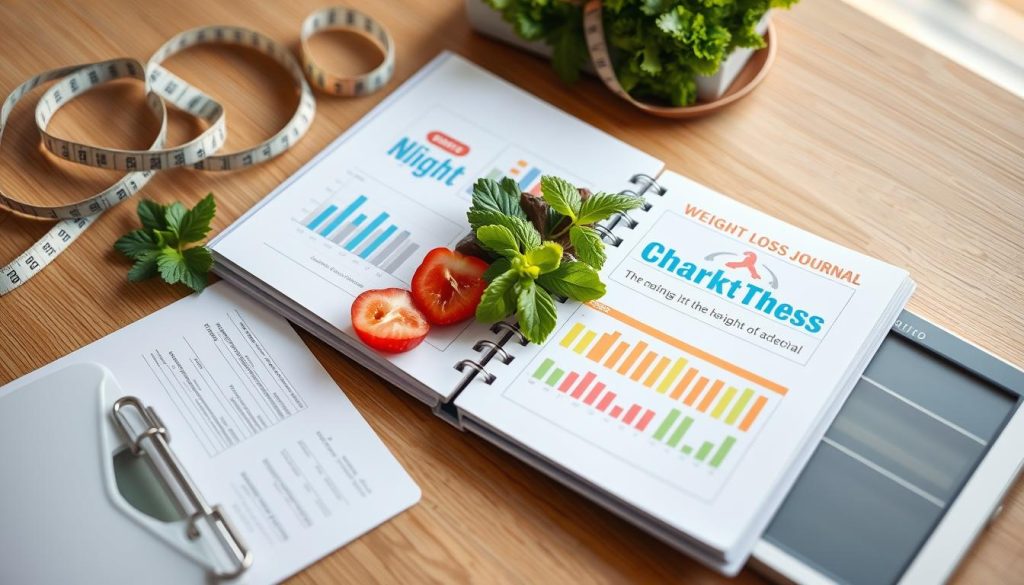
Using practical tools and reflecting on your feelings helps you track your progress. This way, you can keep hitting your weight loss milestones.
Overcoming Common Weight Loss Challenges
Weight loss journeys come with many challenges. It’s important to be ready for obstacles like weight loss plateaus and managing cravings. These challenges can be tough, but they are common and can be overcome. Let’s explore effective strategies to tackle these issues and keep your weight loss efforts going.
First, weight loss plateaus are a normal part of the journey. Your body might get used to your routine, slowing down your progress. To get past this, try changing your exercise or adjusting how many calories you eat. This change can help you move forward.
Also, managing cravings is key to a healthy diet. Cravings often come from emotional reasons or not getting enough nutrients. To handle them, find out what triggers your cravings and choose healthier options like fruit or nuts. Drinking plenty of water and eating regularly can also help control cravings.
Lastly, keeping weight loss going needs a balanced approach. Make sure to include exercise, a balanced diet, and enough sleep in your routine. Be flexible, as it helps avoid getting stuck and boosts long-term success. Remember, setbacks are part of the journey. But with determination, you can get through them and reach your goals.
Maintaining Motivation and Consistency
Staying motivated on your weight loss journey can be tough. But finding ways to keep your enthusiasm up is crucial. Setting new goals often helps. These goals can make your routine more exciting and give you fresh inspiration.
Celebrating small victories is also key. Losing a few pounds or sticking to your workout plan for a month is a big deal. Reward yourself with something healthy, like a new workout outfit or a favorite activity.
It’s normal to feel more or less motivated some days. Don’t let a low day stop you from keeping up your healthy habits. Acknowledge these ups and downs to stay on track.
Building consistent habits is vital for lasting success. Plan out your workouts and meals in a daily or weekly schedule. If you slip up, don’t be too hard on yourself. Use it as a chance to check your strategies and make changes if needed.
Using these methods regularly can really help you stay motivated and consistent. Whether it’s setting new goals or sticking to your healthy habits, staying committed will lead to lasting weight loss success.
Utilizing Support Systems
Starting a weight loss journey is tough, but a strong support system can help a lot. Friends and family can give you the motivation you need. They offer emotional support, join in on healthy activities, and celebrate your wins.
Joining weight loss support groups is another great option. These groups let you connect with people who have the same goals. You can find groups online or in person. Sharing tips and progress can be very empowering.
Also, getting professional help can add structure and expertise to your journey. Dietitians, personal trainers, and therapists can give you advice that fits your needs. They help you make healthy choices and set realistic goals.
A good support system offers many benefits. They provide emotional support and practical advice. You don’t have to face weight loss alone. Whether it’s through support groups or professional help, you can reach your goals more easily and healthily.
Reinforcing the Commitment to Realistic Weight Loss Goals
Remember, a strong commitment to weight loss is key to reaching your health goals. At first, you might feel very motivated. But, keeping your motivation up is crucial to stay on track for good health. Think back to why you started, like wanting better health, more energy, or to feel more confident.
As you move forward, it’s good to check if your weight loss plan still works for you. Your body and life might have changed, so you might need a new plan. It’s not about starting over, but making small changes to fit your new needs and life.
Heard stories of people who changed their lives for the better? These stories can really help. They show that it’s okay to face challenges and that staying flexible is important. They remind us to keep going, even when things get tough.
Keeping your goals in mind means working hard and being open to change. This effort not only brings quick results but also helps you keep healthy habits for life. It makes healthy living a part of who you are every day.
Conclusion
Remember, successful weight management is not about quick fixes. It’s a journey that needs planning, monitoring, and commitment. By setting realistic goals and understanding your health, you start a sustainable path.
Having a solid plan helps you overcome challenges and stay motivated. Using support systems and tracking your progress is key. This keeps you on track and helps you adjust your strategy as needed.
Celebrate your small victories to keep going. View weight loss as a series of small steps, not a big change overnight. With determination and the right strategies, you can achieve your goals and live a healthier life.